
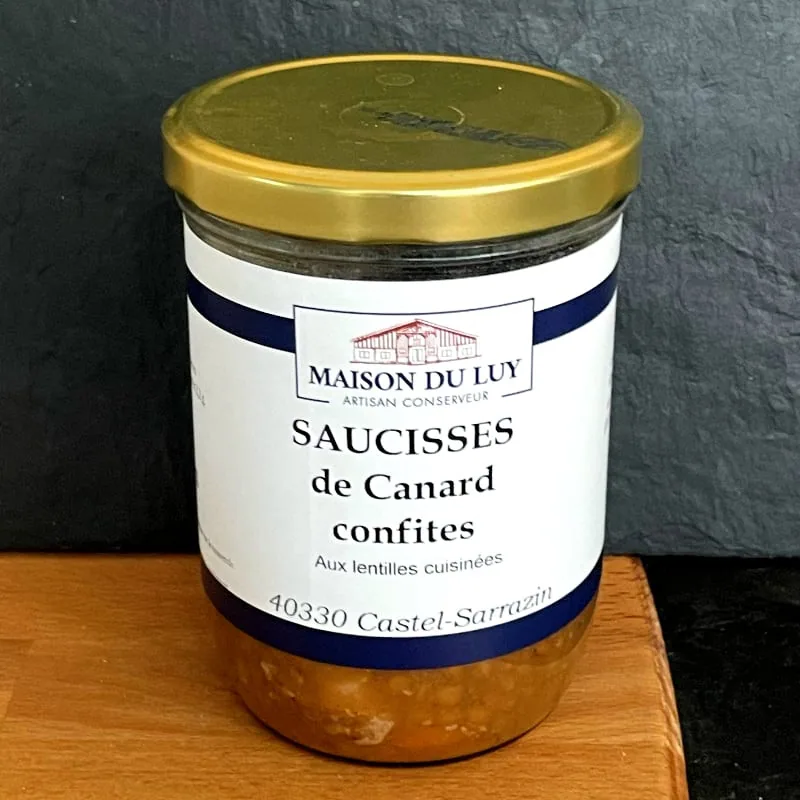
750 g
3 or more: €9.50 each
−24% from 3 Nitrite-free
Castel foie gras
Confit duck sausages with cooked lentils - Maison du Luy
(2)€12.50
15 products
15 products
750 g
3 or more: €9.50 each
Nitrite-freeCastel foie gras
€12.50
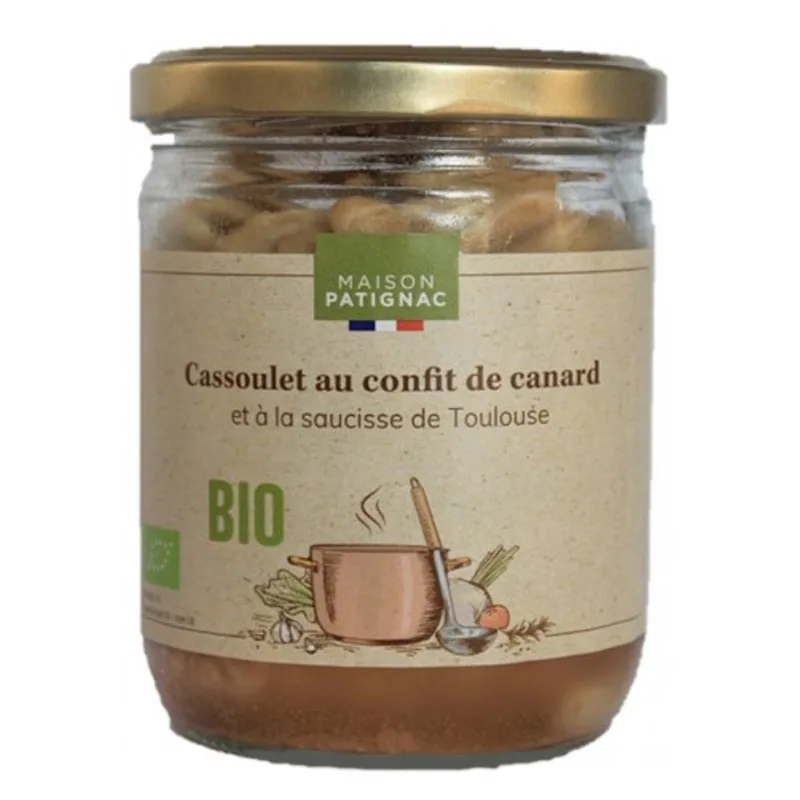
350 g
€12.40
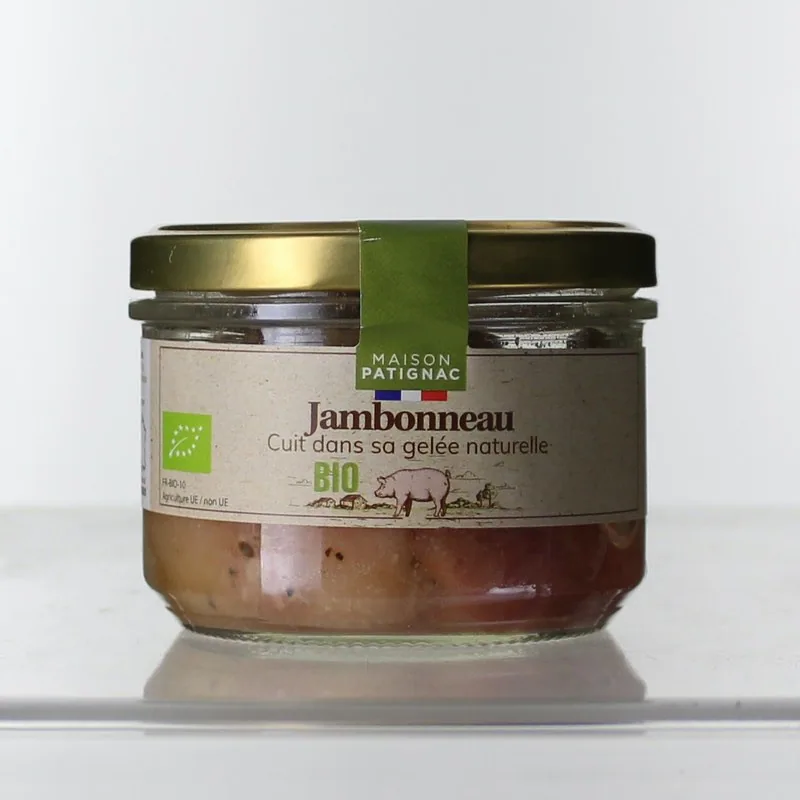
180 g
€8.10
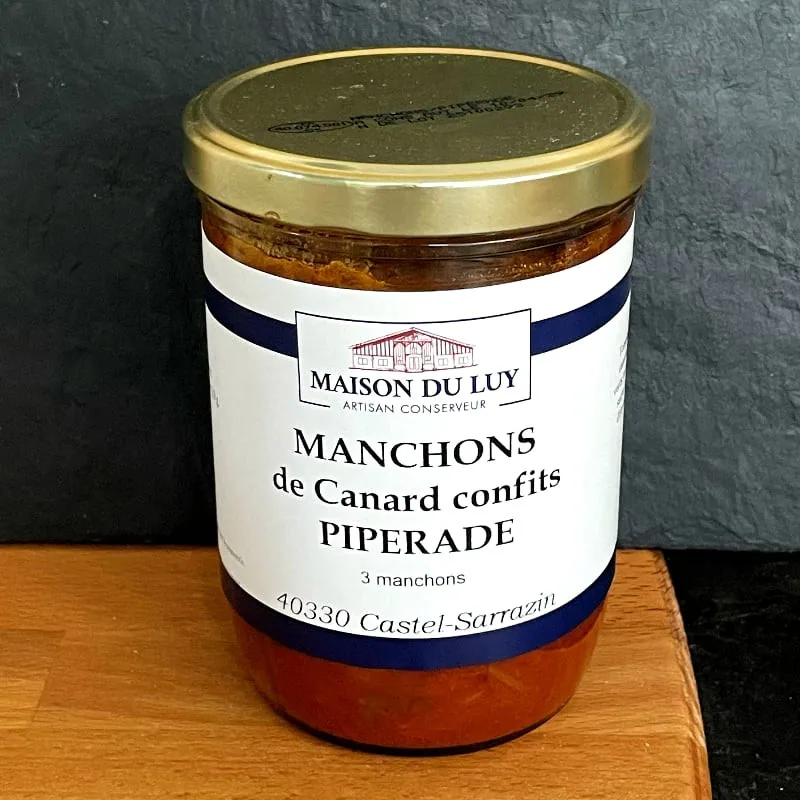
750 g
3 or more: €11.50 each
Nitrite-freeCastel foie gras
€14.50
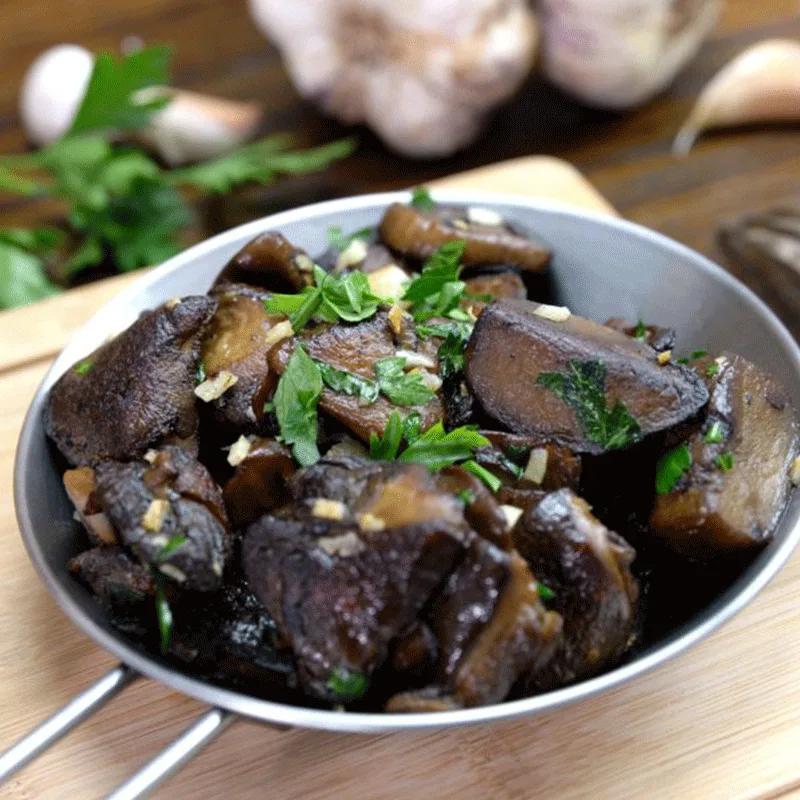
300 g
€15.90
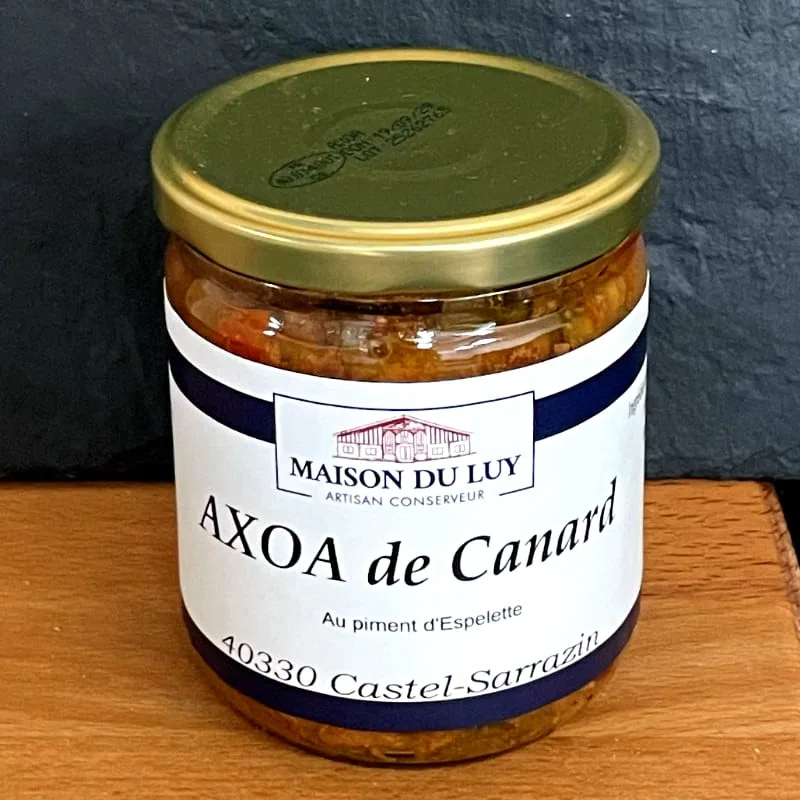
400 g
3 or more: €7.00 each
Nitrite-freeCastel foie gras
€9.90
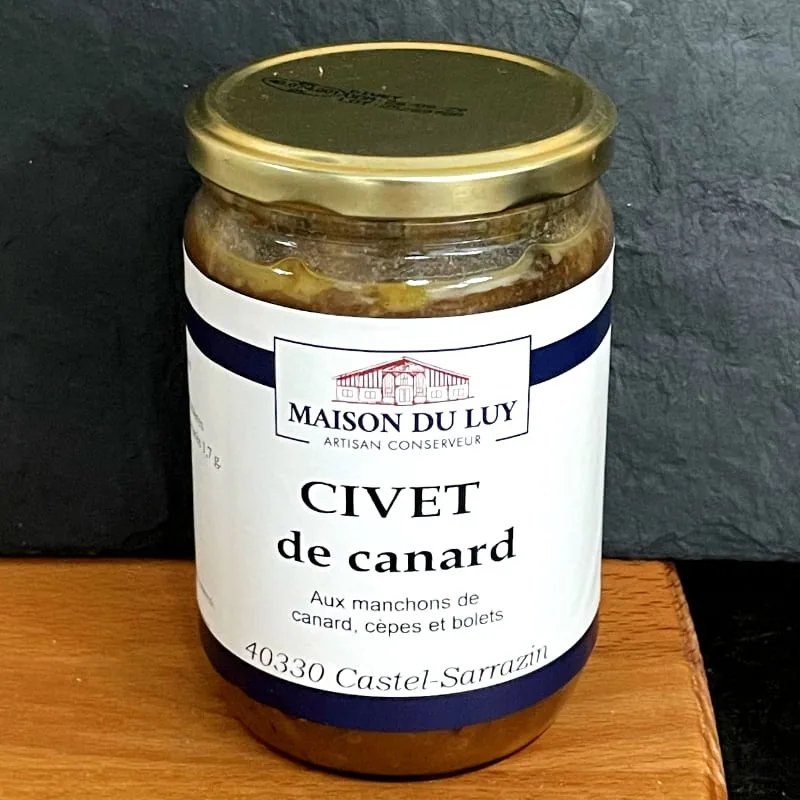
600 g
3 or more: €11.00 each
Nitrite-freeCastel foie gras
€14.50
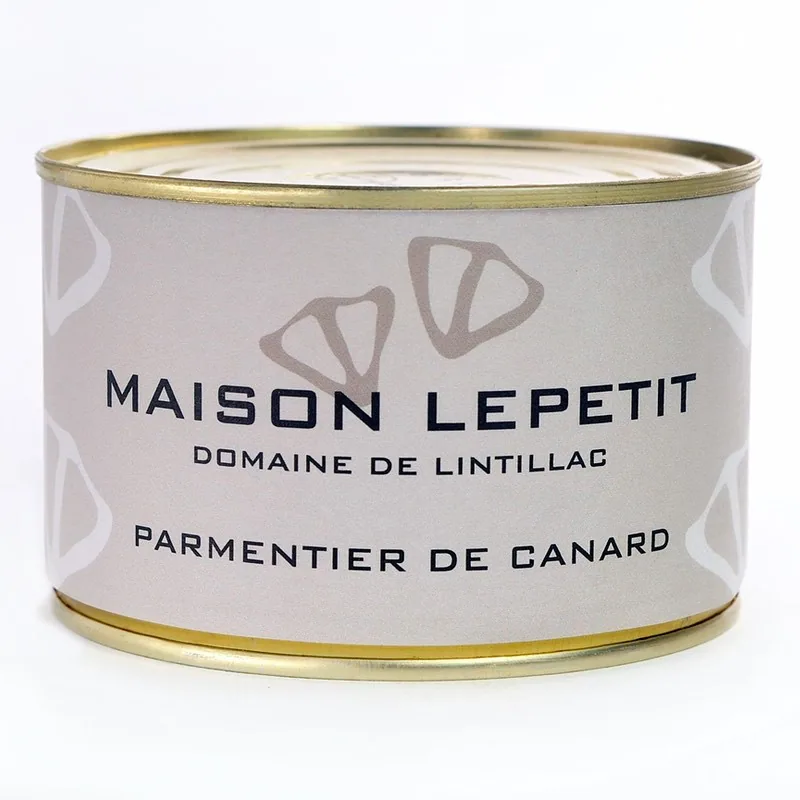
400 g
€9.90
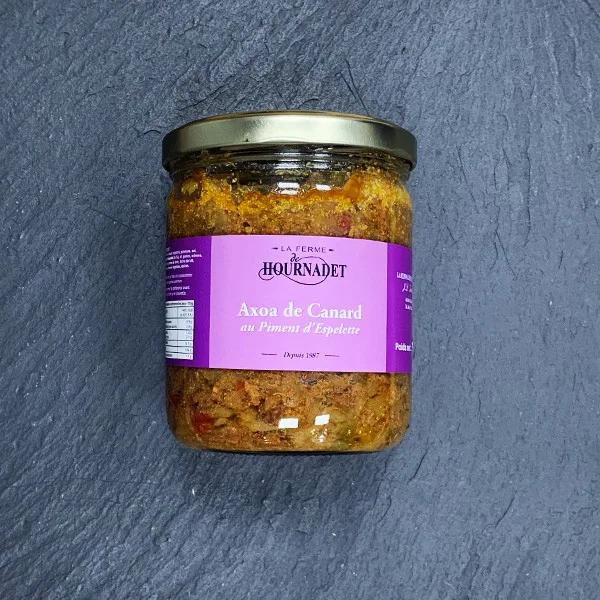
400 g
€12.90
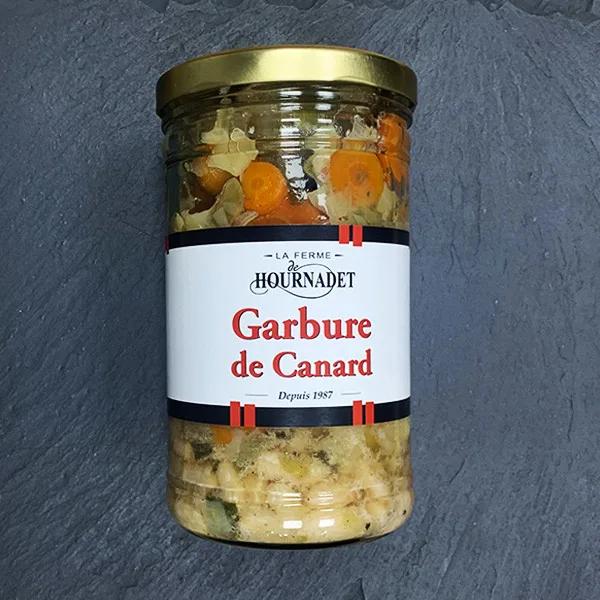
750 g
€11.81
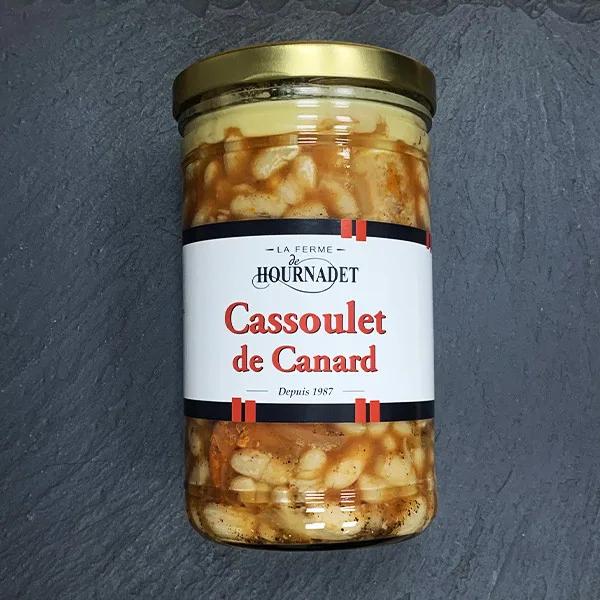
1 kg
€19.90
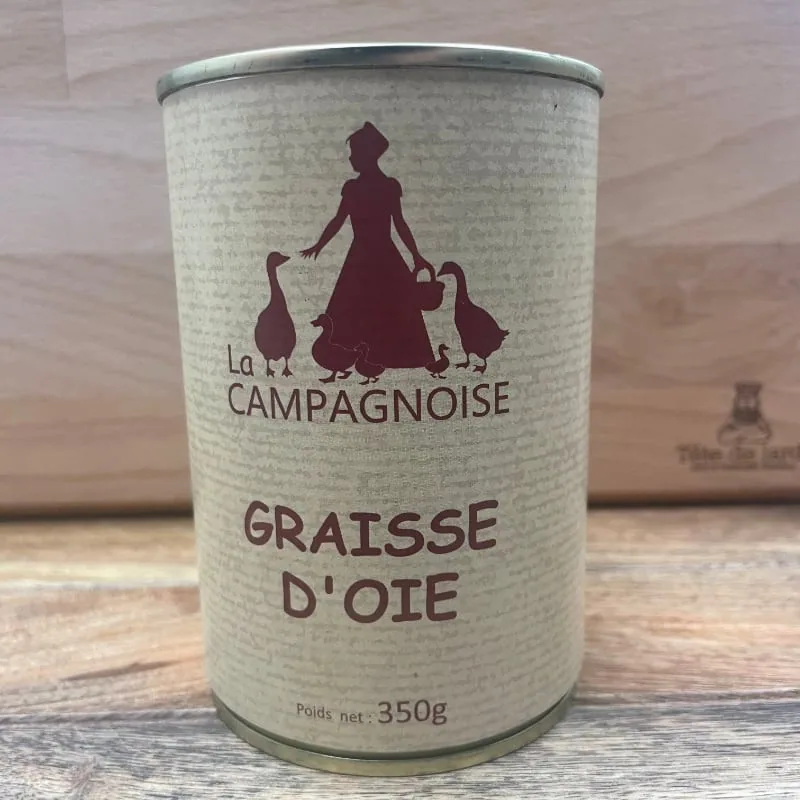
350 g
€6.00
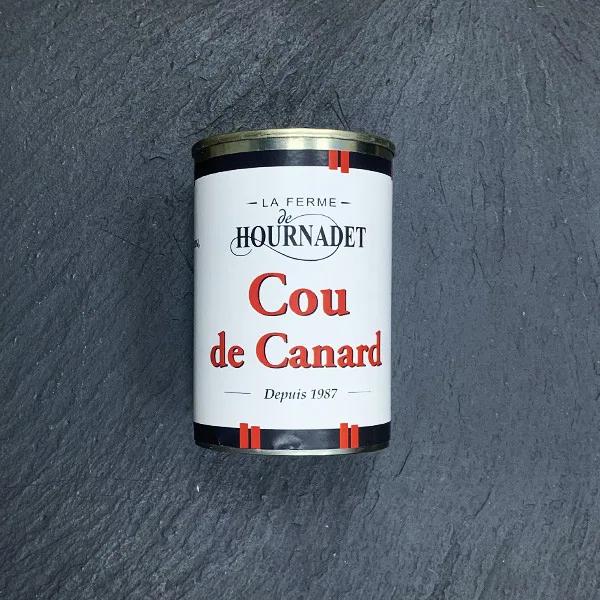
400 g
€19.90
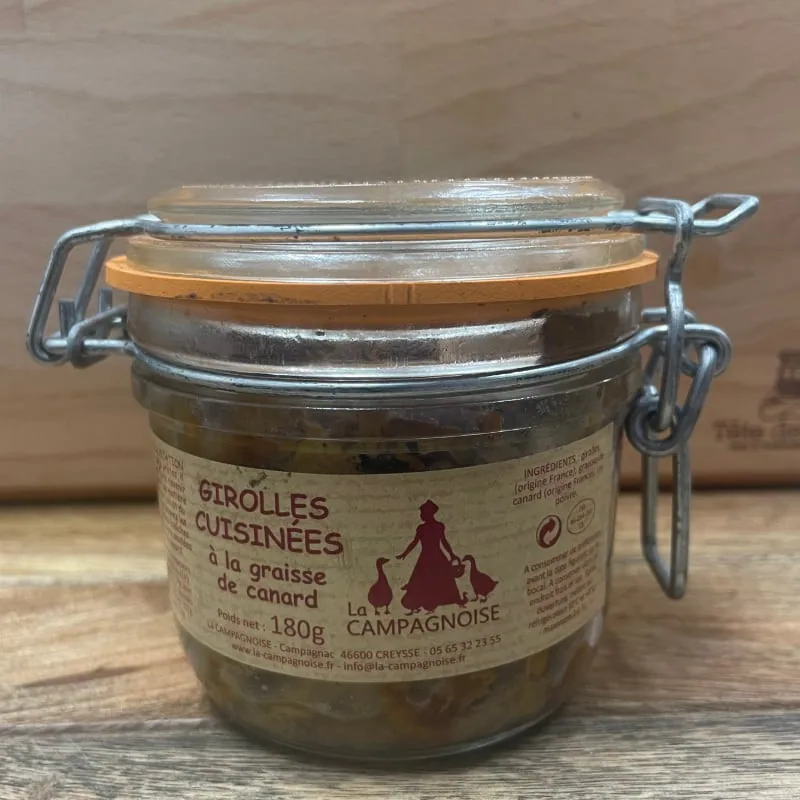
180 g
€15.50
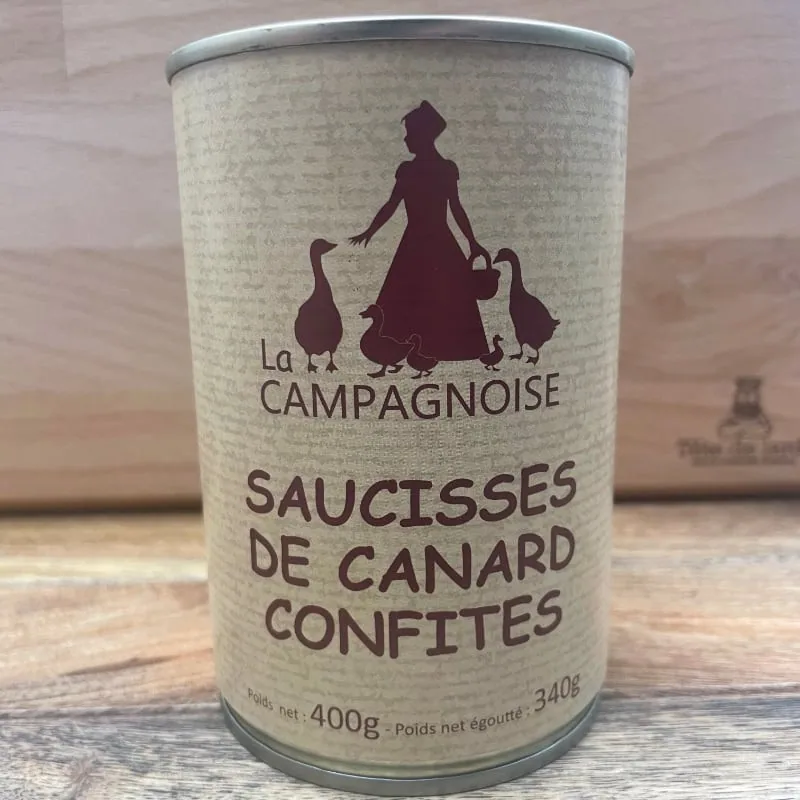
400 g
€12.50
The South West is an exceptional part of France. This wonderfully varied region has many treasures to offer. Between mountains and coastline, between beaches, ocean and forest, it is a place of abundant riches that surprises us a little more each day. We love going there for our holidays, to enjoy the exceptional landscapes, the fierce heat, the vastness of the Ocean, but above all for its gastronomy.
The culinary specialities of south-west France are known and celebrated by all. Between magret de canard, foie gras, boudin aux châtaignes, and cassoulet made with duck and pork, one hardly knows where to look first!
Among these local specialities, two cousins, set apart by their rearing region, are highly renowned for their exceptional charcuterie. The porc noir de Gascon and the porc noir de Bigorre are both among the oldest local pig breeds of south-west France.
There are many organic Gascon pig farms. Reared in the open air and fed on fruit still on the tree and fresh grass, these pigs produce exceptional South-West charcuterie!
The south-west of France is home to the greatest black pig farmers in France. That is why Tête de Lard takes a keen interest in them, so as to share with you these excellent local charcuterie! The farmers produce this quality meat, which the artisans are quick to transform into exceptional charcuterie. On our Tête de Lard website, you will find saucisson, chorizo, dry-cured jambon, dry-cured duck magret, dry duck sausage, duck magret saucisson, beautiful rillettes, foie gras, lomo and plenty of other delicious charcuterie.
Charcuterie can be enjoyed at any time of day, and in all sorts of forms. We now present to you a list of typical South-West dishes, which of course contain charcuterie.
The Têtes de Lard team is at your service to track down beautiful artisanal charcuterie. The quality of the products we offer you respects a strict set of specifications requiring that each charcuterie be natural and produced in a traditional manner. Animal welfare is also an essential point. Industrial farming should no longer exist. That is why we only select producers who raise their animals respectfully, preserving their happiness and well-being. Taking care of an animal also means taking care of ourselves, taking care of what we eat. Above all, we wish to showcase producers, regional artisans who work every day to offer you charcuterie of superior quality. We want to help you eat differently, to make accessible products that were not accessible before. Support French production, French producers with Tête de Lard.
The beautiful charcuterie from the South-West has many qualities to offer us. It can be enjoyed in all circumstances, for every occasion. Treat yourself on Tête de Lard.
Discover also our products from Alsace.
South-West France is rich in specialities and contributes to French gastronomy. While the South-West is best known for its foie gras and duck or goose specialities, its know-how in cured meats should not be overlooked! Indeed, delicious dry-cured saucissons, chorizos and dry sausages come to us from South-West craftsmanship. Here is a region that never stops surprising us! Among these traditional cured meats, several meat-based specialities stand out, renowned for their flavour and exceptional quality.
It is not a single dry saucisson that makes up the South-West's heritage but a whole variety! From « pur porc » to duck saucisson, there is plenty to explore across all the subtleties of their terroir.
To discover at Tête de Lard:
The distinctive feature of black pork breeds from the South-West, such as the porc Gascon or the Porc Noir de Bigorre—itself a cousin of the porc Gascon—is that they are closely related to the Iberian type. As Iberian pork charcuterie is considered among the best in the world, it follows that black pork cured meats from the South-West are equally exceptional! These pigs, raised outdoors, require a long rearing time, but the patience is well worth it, for tasting among the finest French charcuterie. Good fat, power, originality—these traditional black pork saucissons from the South-West will never leave your aperitifs again.
Discover also the dry-cured saucisson IGP Lacaune made from pure pork. This IGP label, Protected Geographical Indication, was obtained in 2015 and guarantees us a production process, characteristics drawn from the know-how of this delimited geographical area, made up of 11 communes within the cantons of Lacaune and Murat-sur-Vèbre. A mark of quality and respect for tradition, this label guarantees us a true product of the South-West.
Among these cured meats from the South-West, beyond the classic dry-cured saucisson, others are well worth seeking out too, such as chorizos (Noir de Bigorre AOP black pork chorizo, duck chorizo, perch-hung chorizo…), perch-hung dry sausages, artisanal fouet… Discover also a little favourite that's 100% South-West: dry duck sausage filled with foie gras, tried and approved by the Tête de Lard team, and by our customers!
Producers to discover for high-quality saucissons de terroir from the South-West:
The curers we work with are artisans rich in ancestral and traditional know-how! We choose them just as much for the rearing and slaughter conditions of their animals (if they rear them), the quality of the ingredients and the meat, and the authentic original recipes they offer. We take pride in working with local producers and, in doing so, supporting fair trade. Enjoying Tête de Lard means treating yourself whilst keeping French artisanal craftsmanship alive, something that is close to our hearts! It comes as no surprise that the consumption of saucisson in France is significant, as it is part of a vast heritage within our gastronomy.
Also discover: the saucisson de Savoie, the saucisson de Lyon, the saucisson d'Auvergne, or even the saucisson corse, among the French speciality cured meats we offer you!
Based on our customers' reviews, but also on our own personal tasting, we offer you a selection of terroir products from the South-West:
| Rank | Product / Producer |
| 1 | Organic dry-cured saucisson from Gascon pork - Maison Duler |
| 2 | Saucisson made from Porc Noir de Bigorre - Padouen |
| 3 | Dry-cured saucisson - Boucherie SAVI |
| 4 | Dry-cured duck sausage filled with foie gras - La Sourbère |
| 5 | Dry-cured saucisson IGP Lacaune - Maison Montalet |
| 6 | Artisanal fouet à la perche - Maison Montalet |
| 7 | Dry-cured pork and duck saucisson - La ferme de Hournadet |
But of course, this ranking of the best saucissons from the South-West only features tasty products that won't disappoint you! You can also find plenty of nitrite-free saucissons in this category!
At Tête de lard, we offer online sales of 100% artisanal saucisson from the South-West of France, with 24-hour delivery anywhere in France. The storage, preservation and delivery of the saucisson are carefully monitored, and we follow rigorous procedures to deliver high-quality products to you. There's no longer any need to travel the length and breadth of France to enjoy local produce, as we offer a wide range of exceptional charcuterie from our regions. Place your order, and everything arrives in the same parcel! Of course, we're always available to answer your questions through our customer service.
 Organic