
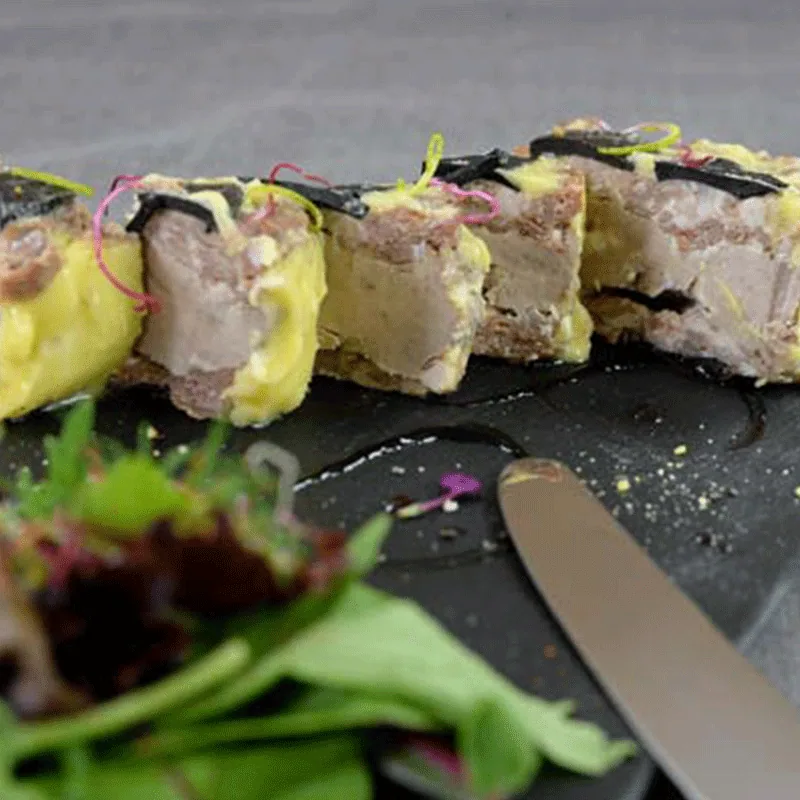
200 g
€27.90
3 products
3 products
200 g
€27.90
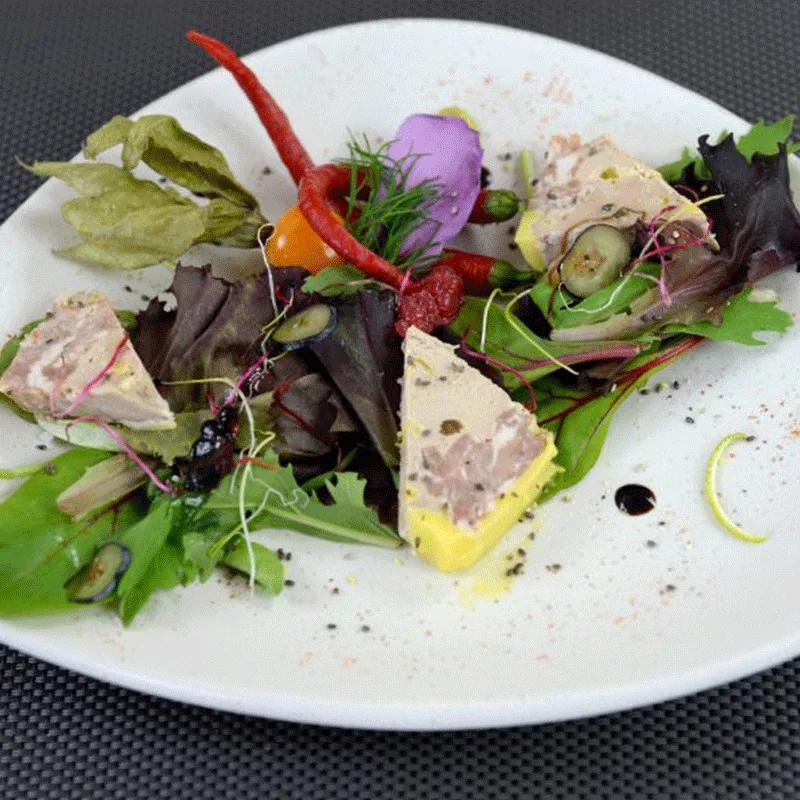
130 g
€13.50
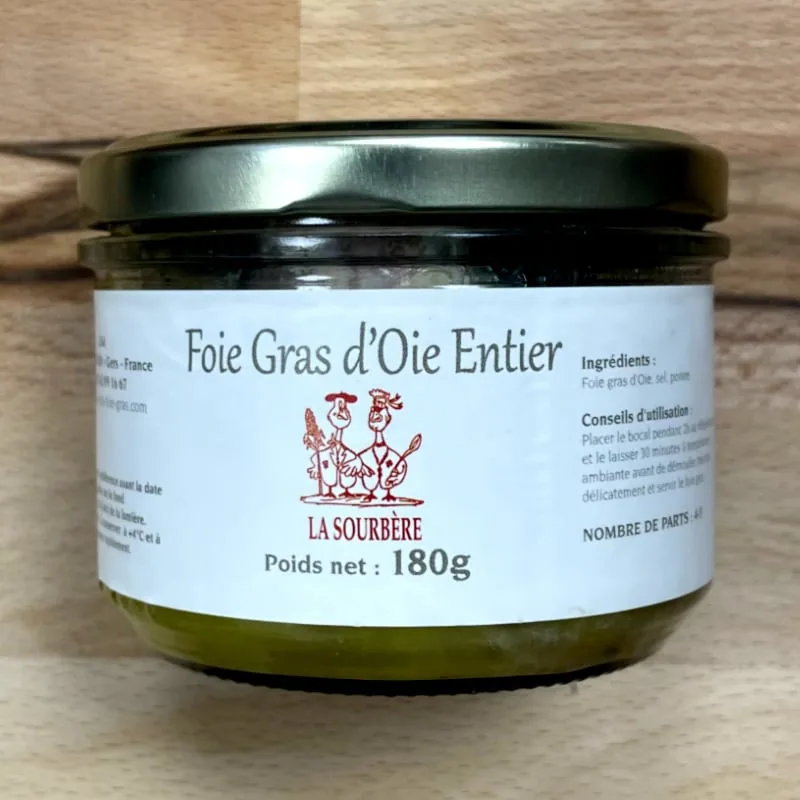
180 g
€42.00
Geese live in groups. Geese belong to the anatidae family, just like swans and ducks. There are wild geese and domestic geese.
The domestication of the goose dates back to ancient Egypt, more than 4000 years ago, even though it could already be found in the wild. Many depictions have been uncovered, notably the geese of Meidum. For the Egyptians, the goose was a sacred animal. It was thought to allow communication between the world of the living and the world of eternal life. The ancient Egyptians began force-feeding birds to fatten them, but the consumption of foie gras was first recorded in ancient Rome. It is also a powerful symbol in China and among Native Americans.
Goose foie gras is a culinary speciality made from fresh liver obtained by rearing and fattening geese and ducks through force-feeding.
Foie gras may be enjoyed raw, semi-cooked or cooked, and can be found fresh or tinned. It is well known in French cuisine and very popular during the end-of-year festivities. Foie gras is part of France's cultural and gastronomic heritage!
It may be raw: this allows for all manner of pairings with the product; it may be prepared before tinning or serving, though it does not keep for long. You will find it at producers' markets and directly from goose and duck foie gras producers.
It may also be semi-cooked
: pasteurised at under 100°C by cooking through to the core, and generally presented in terrines or jars. In this way, it can be kept for several months in the refrigerator while retaining all its aromas.
Finally, it can be enjoyed cooked (or traditional foie gras), sterilised at above 100°C (in an autoclave). It can then be kept in a cool, dry place for several years.
French production is mainly carried out by three large groups which originated as maize-collecting cooperatives: Maïsadour (Comtesse du Barry, Excel and Delpeyrat); Lur Berri (Labeyrie, the leading foie gras brand in supermarkets) and Euralis, the world's largest foie gras producer.
Today, France is the largest producing and consuming country for foie gras (accounting for around 70%). The rest of Europe, the United States and China share the majority of what remains. The top three producing regions in France are Aquitaine, Midi-Pyrénées and Pays-de-la-Loire.
To properly understand the different cuts and specificities of goose foie gras:
Whole foie gras must consist of at most two pieces from two different livers. Several pieces from different livers assembled together make up foie gras (not whole). Foie gras bloc is characterised by several livers blended together to achieve a consistent texture and flavour. As for foie gras bloc with pieces, this is a foie gras mousse or cream with pieces added after blending. Foie gras parfait must contain at least 75% foie gras and foie gras galantine must contain at least 50% foie gras. Finally, foie gras mousse is a blend of foie gras and a forcemeat stuffing.
At Tête de Lard, we offer you artisanal products, including the renowned goose foie gras from the south-west, whether in bloc or terrine form. Do also treat yourself to foie gras terrines with pork, truffle and other delicious flavours! You can find all our producers and our gift hampers to delight your loved ones online, available with 24-hour delivery!
 Nitrite-free