
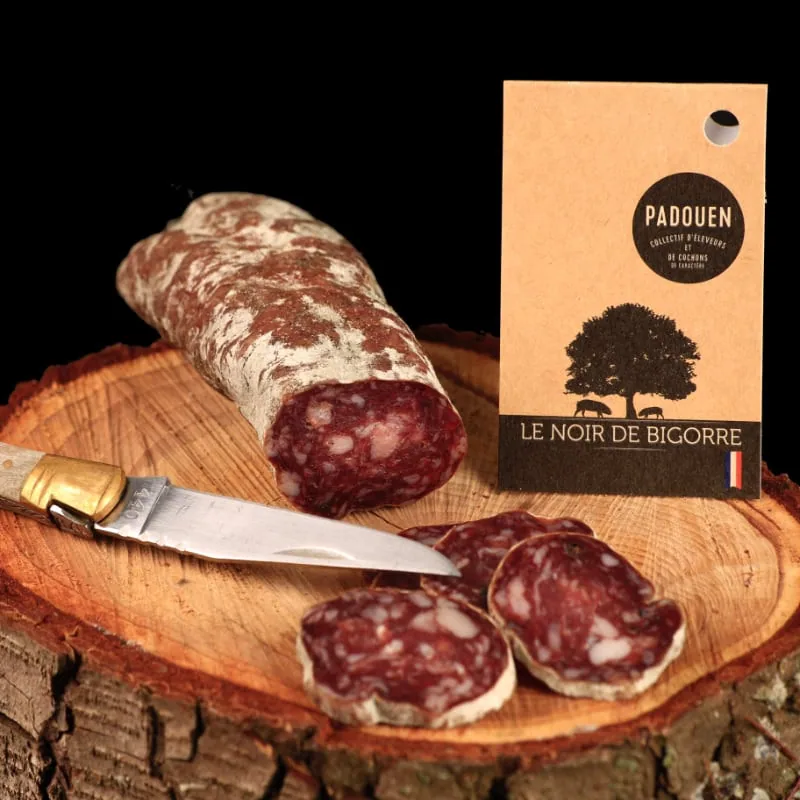
230 g
€15.50
Noir de Bigorre, Limousin cul noir, Gascon, Kintoa: rustic breeds, as charcuterie and in jars.
14 products
14 products
230 g
€15.50
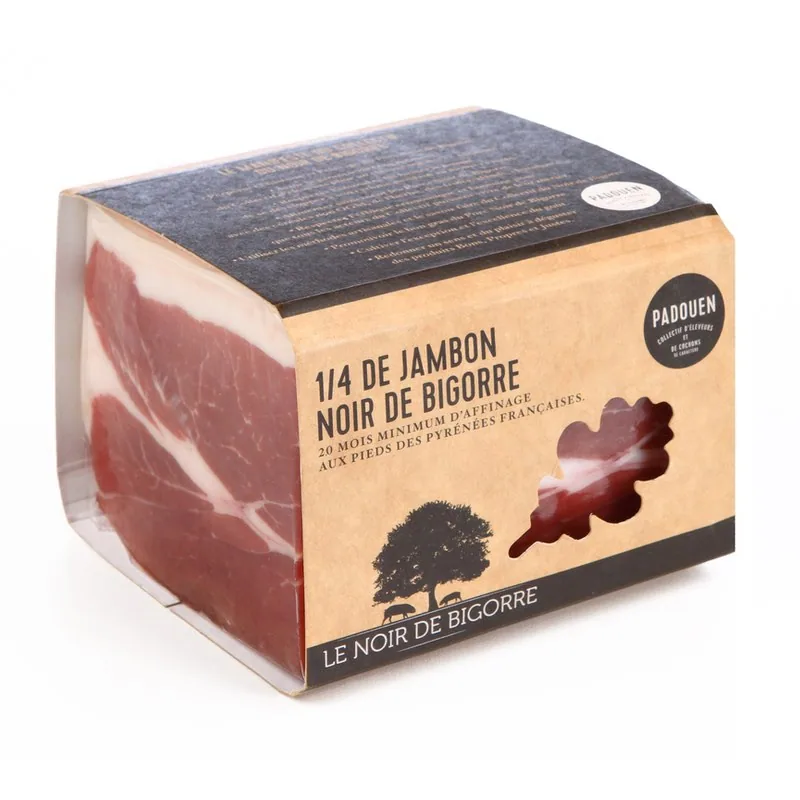
750 g
 Nitrite-free
Le Noir de Bigorre
from€78.67
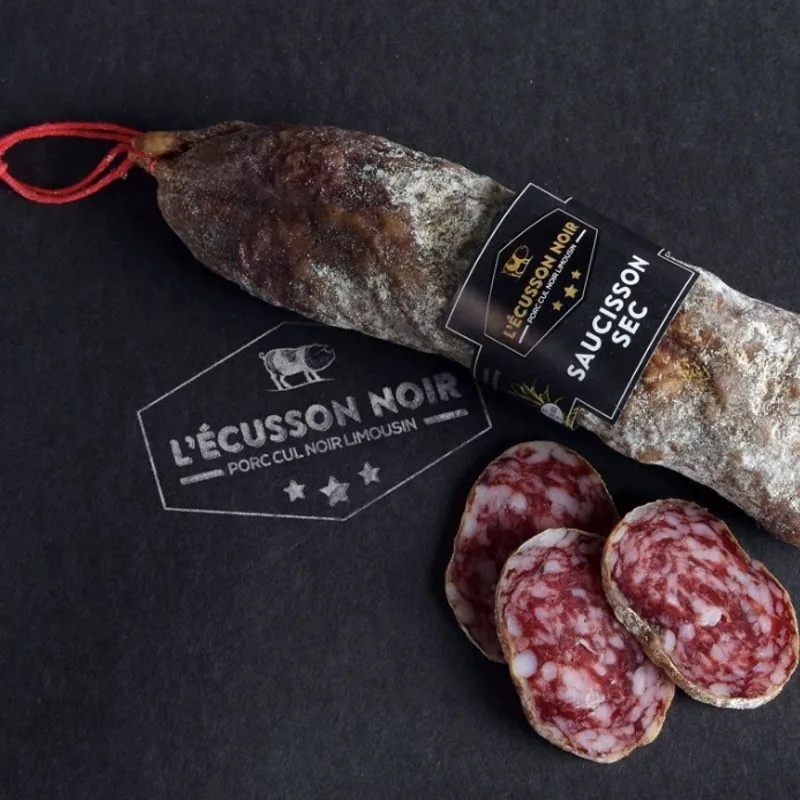
280 g
€14.50
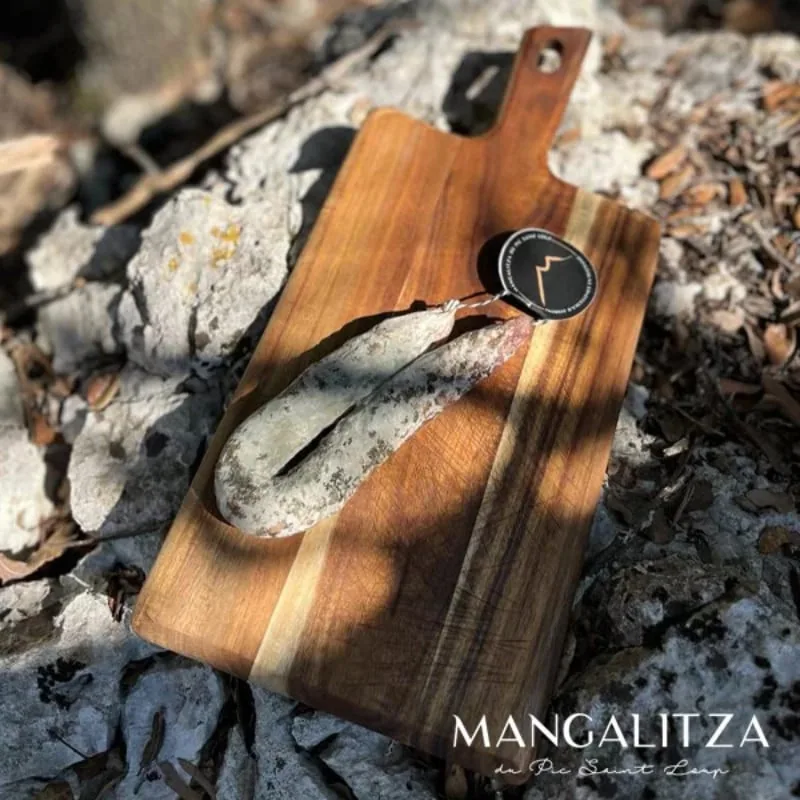
250 g
€16.90
240 g
€14.90
180 g
Nitrite-freeMangalitza du Pic Saint Loup
€19.90
800 g
Nitrite-freeLe Noir de Bigorre
from€26.40
240 g
€39.90
130 g
€7.60
250 g
€16.90
250 g
€13.90
3 kg
Nitrite-freeLe Noir de Bigorre
€269.90
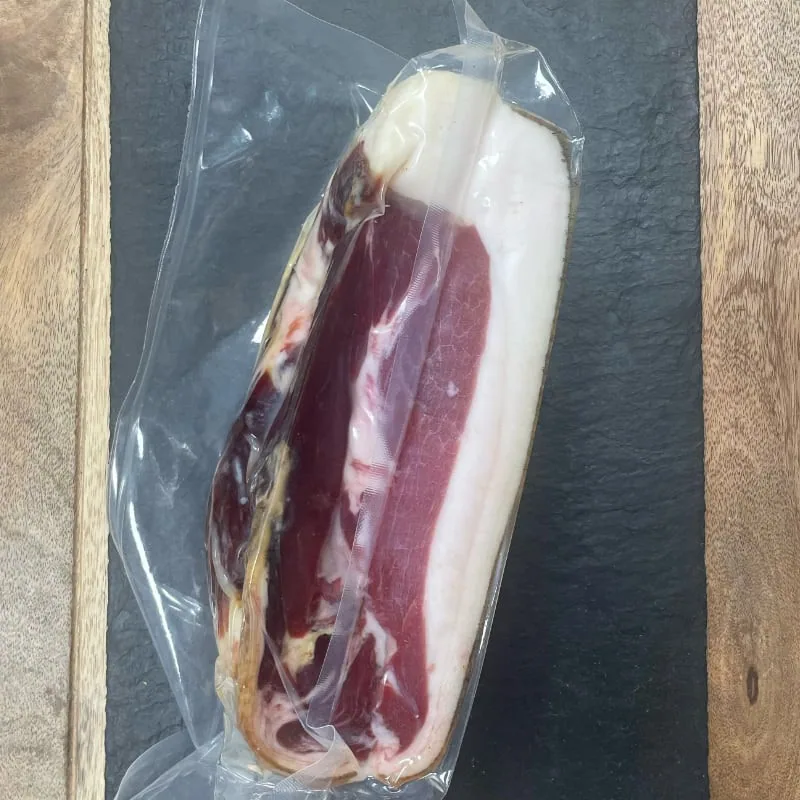
2.8 kg
Mangalitza du Pic Saint Loup
from€280.00
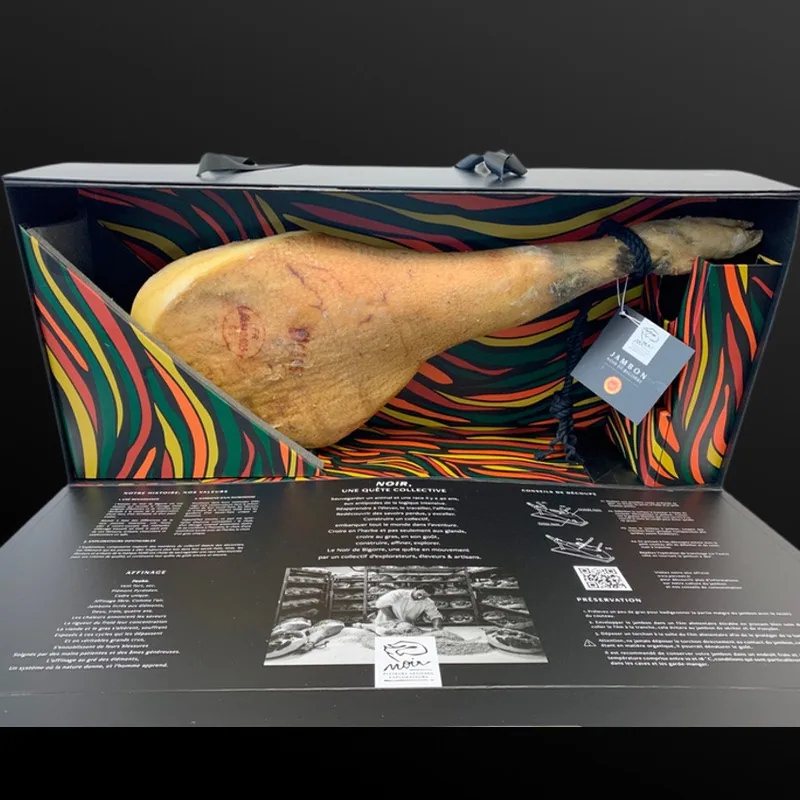
8 kg
€520.00
There are many breeds of pigs in France. They are recognised locally and may benefit from conservation programmes or be created by specialist farms. The breeds recognised in France include the Creole breeds such as Guadeloupe, Cul noir du Limousin, Duroc, Gascon (Gasconne), Nustrale (Corsica), Pie Noir Du Pays Basque (Basque, Bigordan, Bernai, Basco Bernai, Navalin), Pig Blanc de l'Ouest, Pig de Bayeux, Landrace Français (Landrace), Large White, MeiShan (China)... This list of recognised pig breeds is set out in the decree of 27 February 2018. Very local breeds of Créole de Guadeloupe, Cul noir Limousin, Porc de Gascon, Pig Nustrale, Pie noir Pays Basque, Pig Blanc de l'Ouest, Pig de Bayeux.
The threatened varieties are mainly the Creole pigs of Guadeloupe, the Culs noirs Limousin, the Gascon pigs, the Nustrale pigs and the Pies noires du Pays Basque. There are producer groups such as the Association des éleveurs de Padouen for the preservation of French pig breeds, and Tête de Lard has joined forces with them to share with you the passion for charcuterie of these exceptional artisans! Padouen Collectif was founded in 1981 with the idea of restoring the image of the Noir de Bigorre black pig! This extraordinary pig is growing in popularity and is considered one of the finest hams in Europe.
The Bigorre black pig is a native pig that lives in the Pyrénées-Orientales. It is very recognisable thanks to its black coat and horizontal ears. It was long underrated because of its image as a late-maturing pig that was "overweight"! It has finally regained an exceptional status over the decades. It is one of the favourite pig breeds in France and around the world. Le Noir de Bigorre benefits from a very healthy diet based on the natural resources of its environment. Grass, chestnuts, acorns and other GMO-free pastures give it an extraordinary flavour.
The Cul Noir du Limousin is an Iberian pig from the Saint-Yrieix-la-Perche area in the south of Haute-Vienne. A lively pig, accustomed to foraging in the wild! There are two different colours, white and black (two different black markings, one on the head and one on the rump). Its body is fairly stocky, strong and broad, its snout is elongated and it has fine, upright ears. It is mainly raised outdoors, and farmers have chosen to maintain traditional rearing practices. Immediately after being processed on the farm, the meat is sold in artisanal butchers, charcuterie shops, restaurants and other retail outlets.
The Gascon pig is a medium-sized animal of around 75cm, with a long, slender head, a black snout, and narrow ears set close together at the base and slightly inclined towards the eyes. The Pork Gascon is an Iberian pig breed, native to the South-West and raised for food purposes. It is often processed into roasts and high-quality meats. This pork is mainly used by a network of farmers and processors for production organised under the Noir de Bigorre designation of origin. Other pig breeds are also highly prized by the public and enthusiasts alike.
The Nustrale pig, from Corsica, is black in colour and fairly small. It was once threatened with extinction and is now part of a conservation programme. This breed was officially approved in 2006. It is the raw material for three AOP cured meats: prisuttu, lonzo and coppa, artisanal and traditional charcuterie.
The Kintoa pig is a breed of pork saved by a handful of farmers in the Aldudes valley (route of the high altitudes) in 1988, and mainly covers three villages: Banka, Aldude and Urepele.
These can be found in the mountains of Basse-Navarre in the Basque Country. As a result, the black pied Basque pig was under threat until 1988. In the mid-1990s, around thirty farmers decided to save the Kintoa pork, and in 2016 the breed earned AOP status. Respecting the tradition of the Kintoa pork variety means this meat is beautifully tender and juicy, releasing aromas of nuts and toasted spices on the palate!
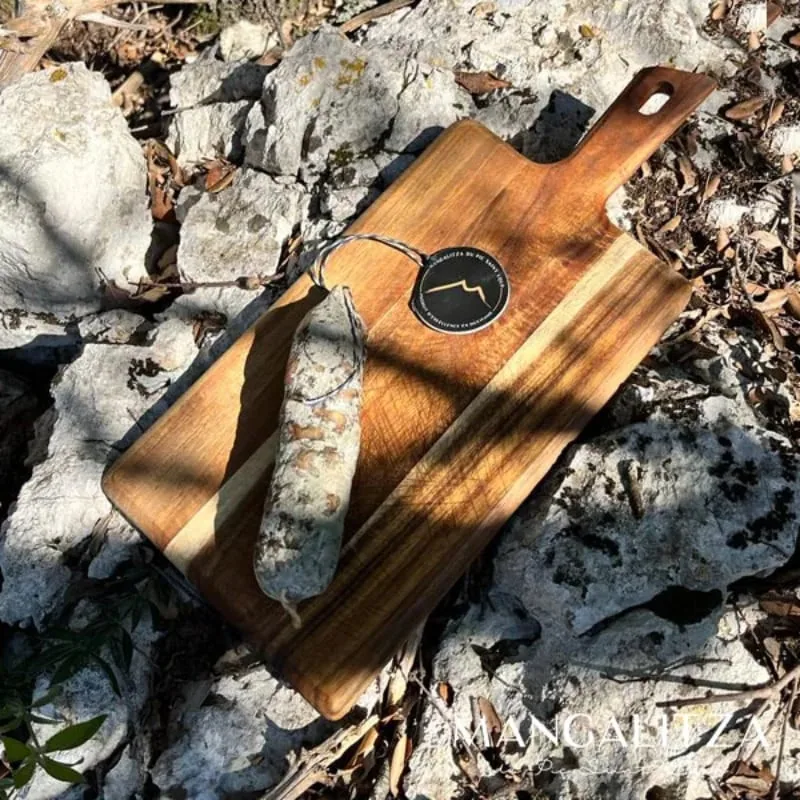
Mangalitza or Mangalica means "pork with plenty of fat" in Hungarian. Mangalica pigs are truly one of a kind! This is a woolly, curly-coated pig, golden or blond in colour! Thanks to its thick coat, it is highly resistant to cold and disease. Mangalitza or "Mangalica" pigs need plenty of space and time to reach maturity (at least 24 months free-range). Sows give birth to several piglets, with litters ranging from 4 to 8, compared with around 15 for the most common breed. Mangalica pigs are also known for their keen sense of smell, and you can often spot them rooting through the soil with a ring through their nose. As a result, animal welfare is essential for this breed, which was at risk of disappearing in the 1970s.
The French pork charcuterie increasingly rivals traditional Iberian charcuterie. The breed protection programme and the creation of a group of artisan producers, such as the Padouen cooperative, have succeeded in showcasing the French know-how passed down from their ancestors. The nobility of the Noir de Bigorre and other equally sought-after varieties help to uphold traditional French values!
Tête de Lard has chosen to work with French artisans, producers and groups to offer online a wide range of charcuterie without artisan, delivered within 24 hours, nitrite/nitrate-free and/or organic matter-free. !!
 Organic