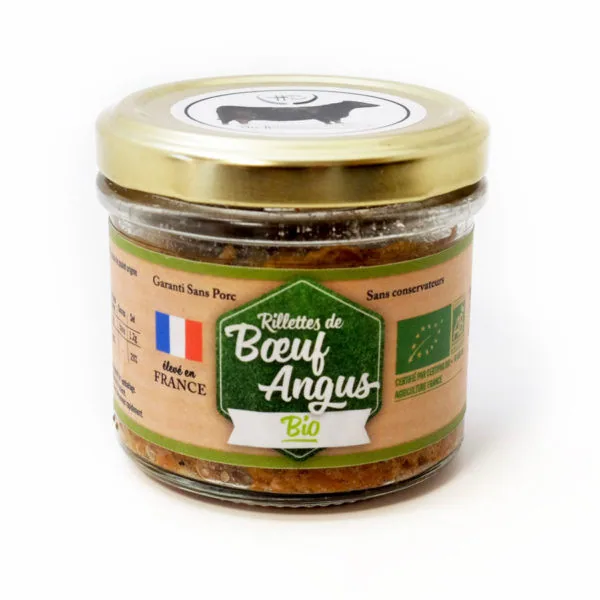
90 g
€6.60
Certified organic saucissons, hams, terrines and ready meals, from controlled farms and recipes.
16 products
16 products
90 g
€6.60
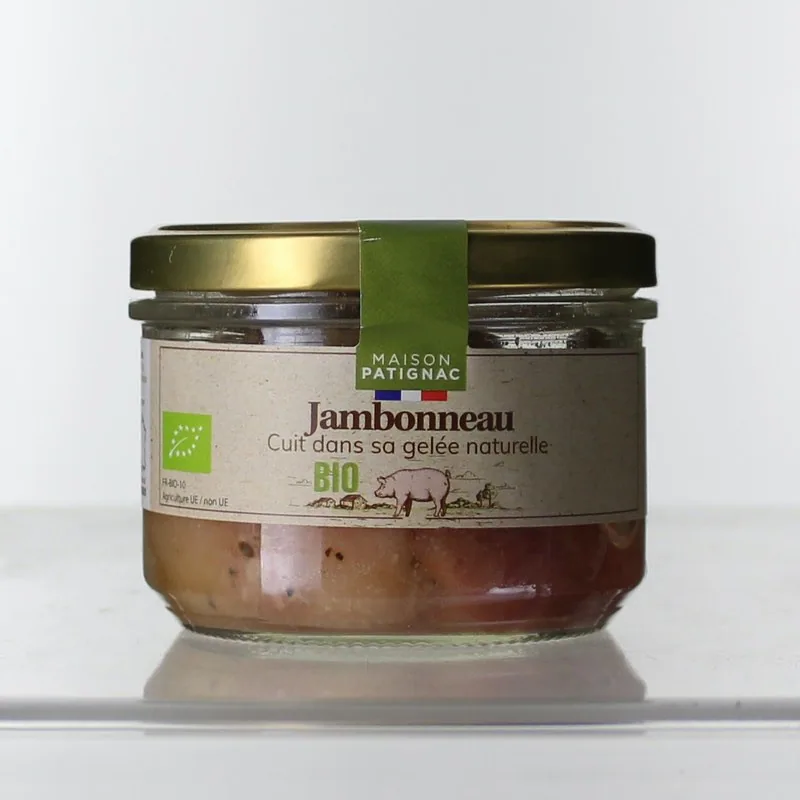
180 g
€8.10
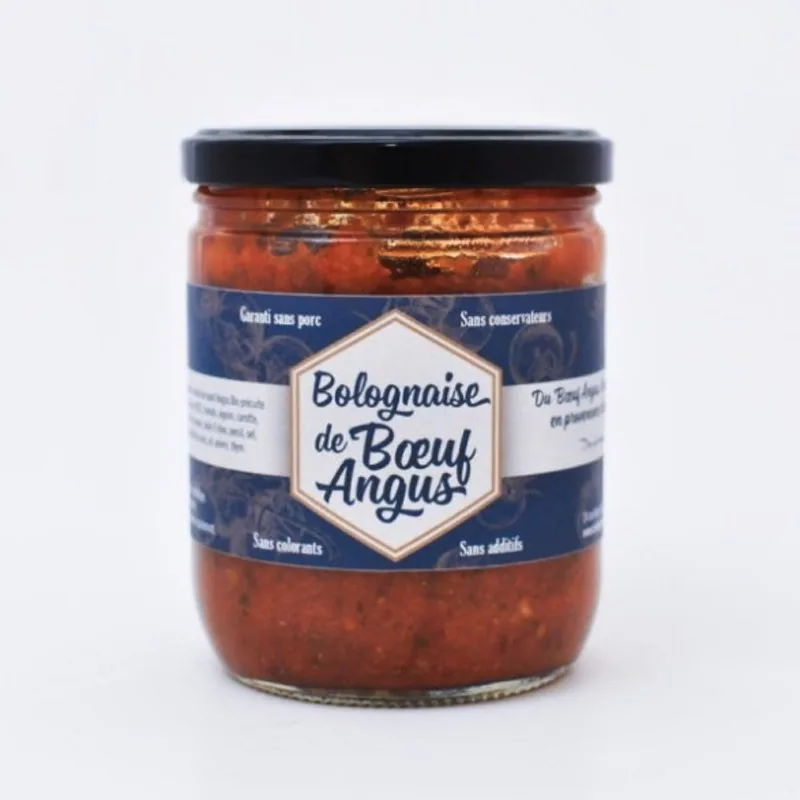
375 g
€14.90
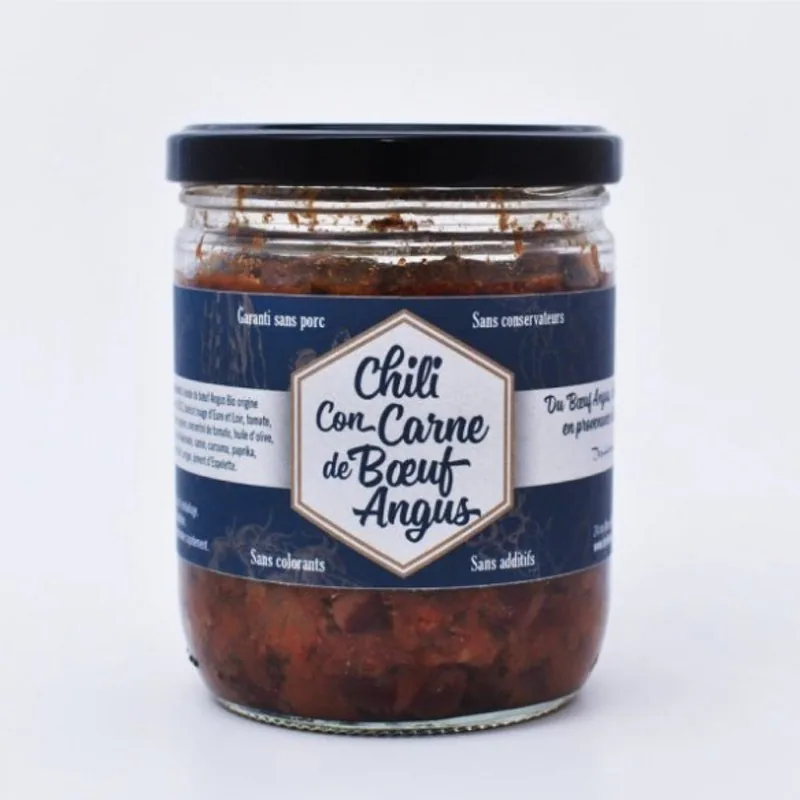
375 g
€14.90
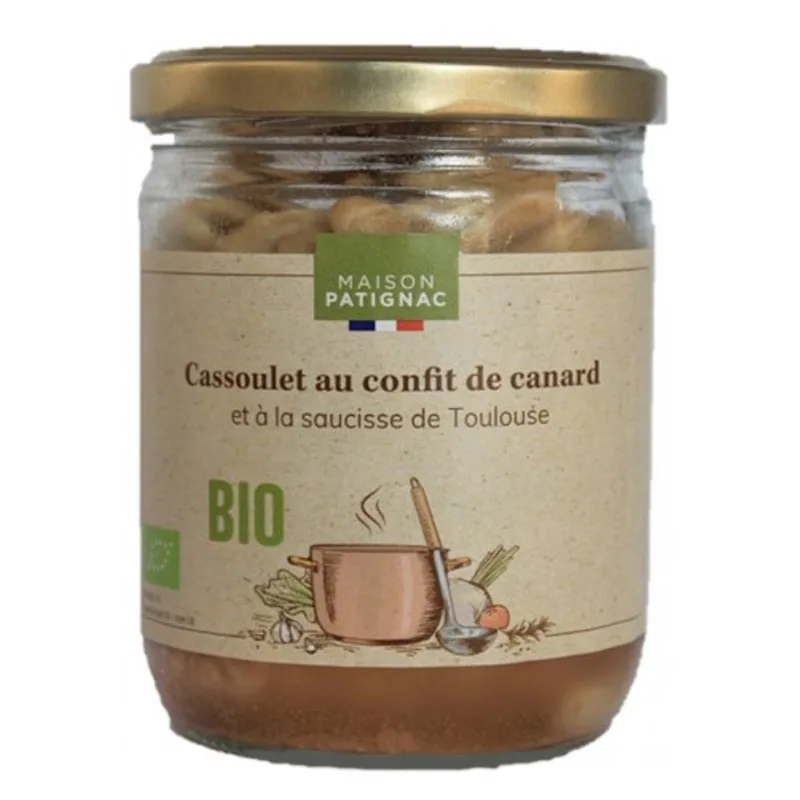
350 g
€12.40
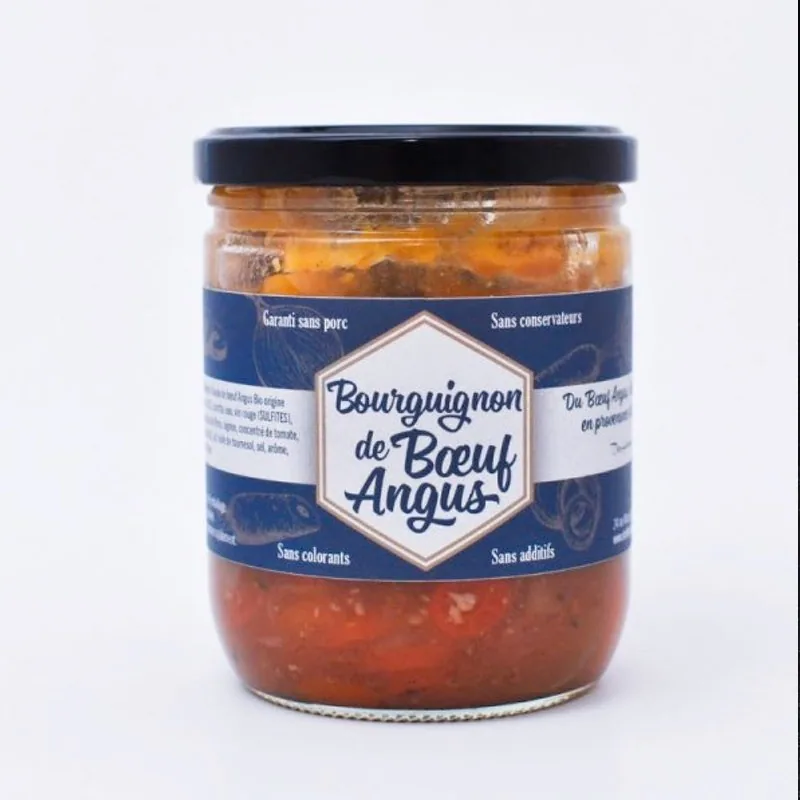
375 g
€14.90
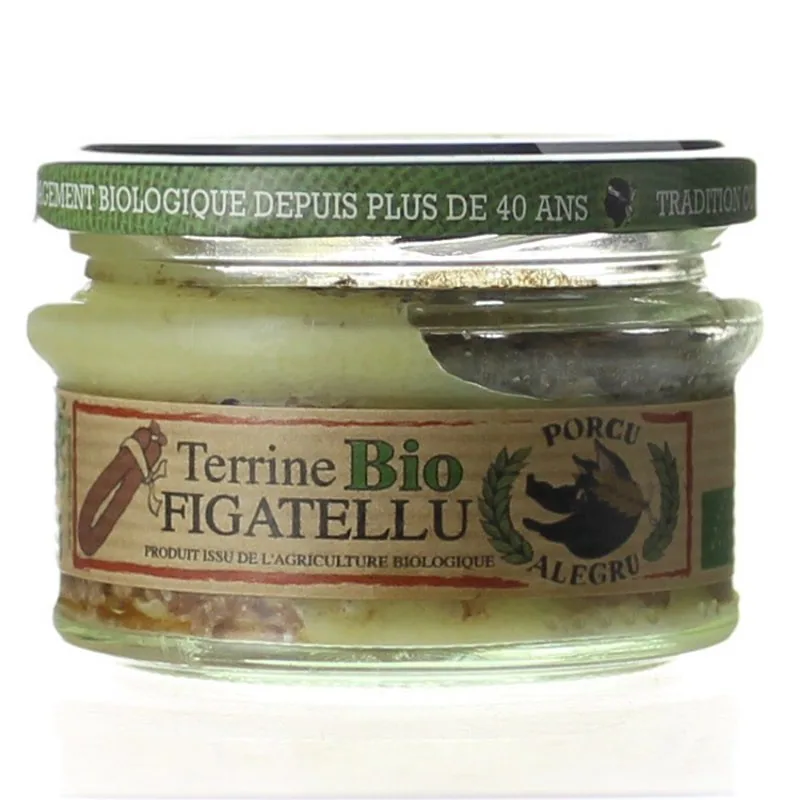
125 g
€4.90
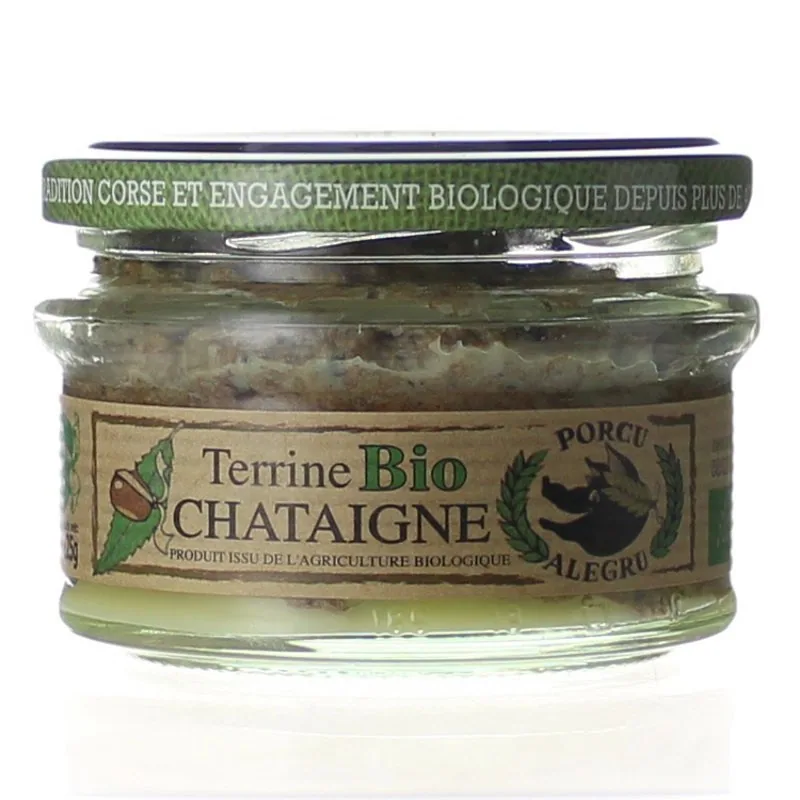
125 g
€4.90
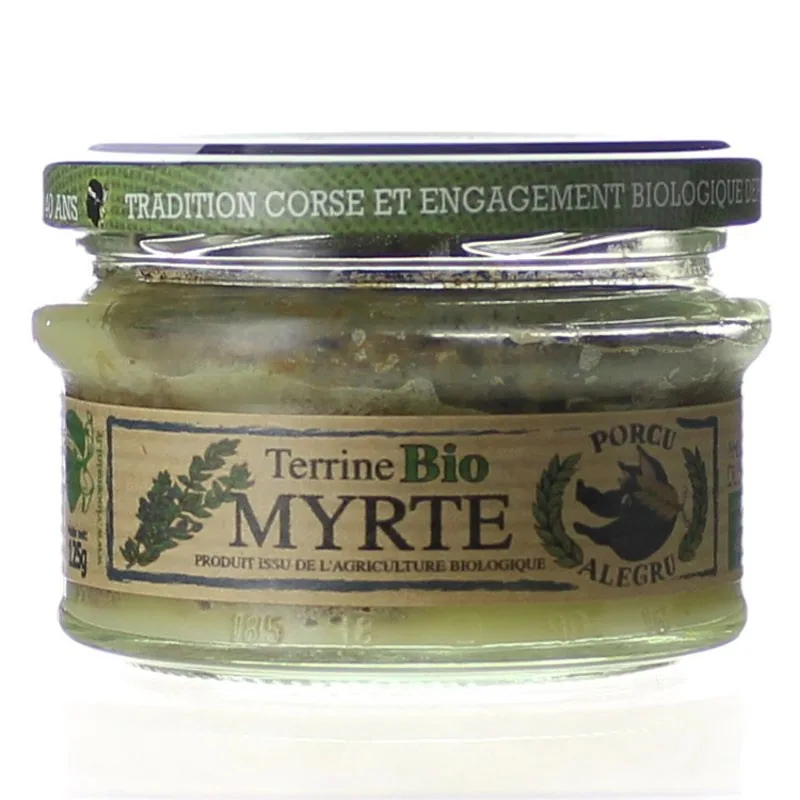
125 g
€4.90
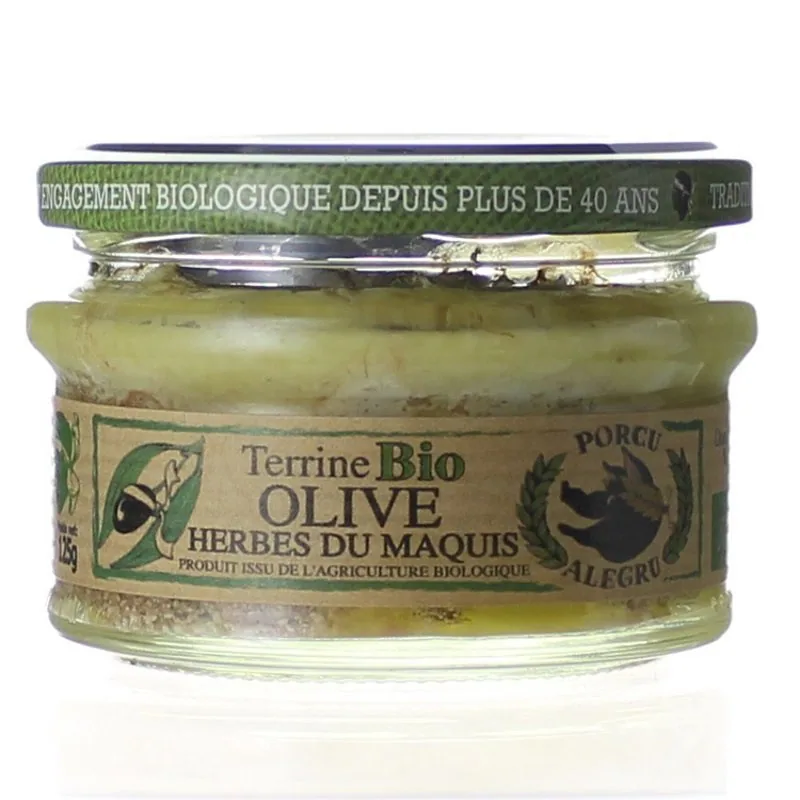
125 g
 Organic
 Nitrite-free
Jean Paul Vincensini et Fils
€4.90
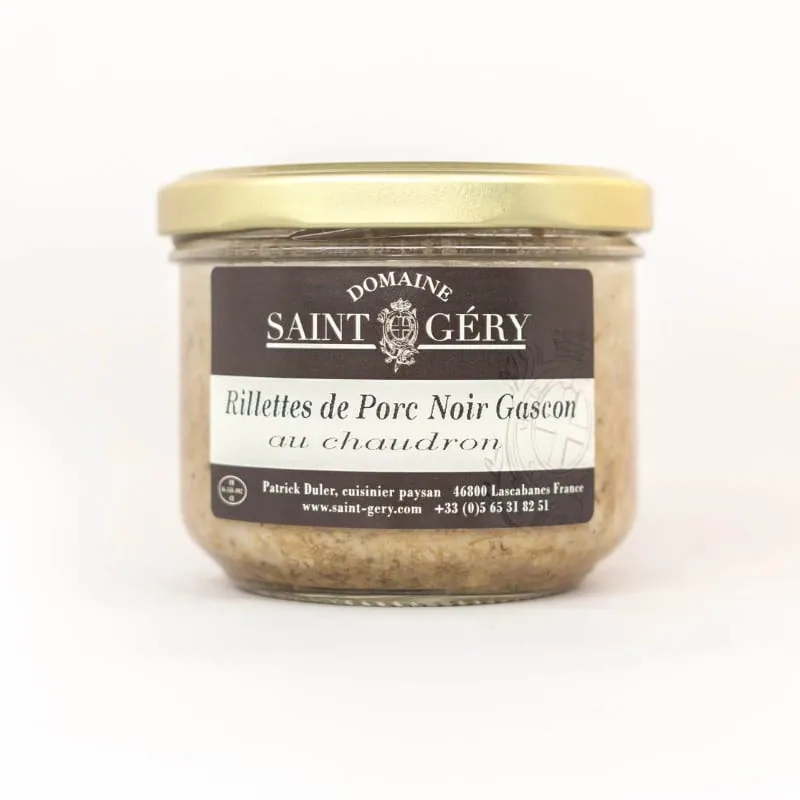
180 g
OrganicNitrite-freeMaison Duler
€21.00
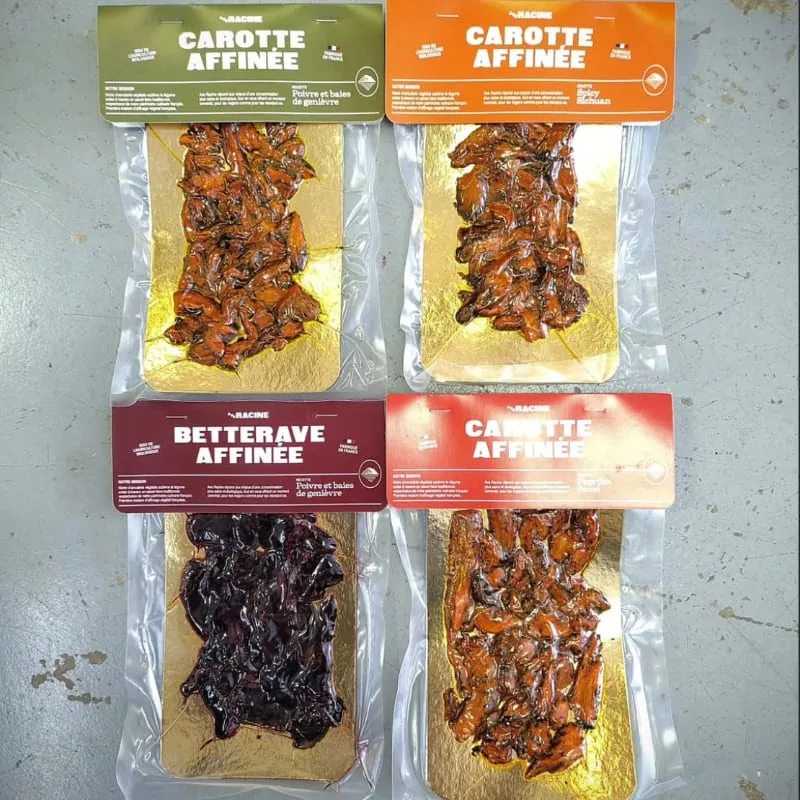
50 g
€15.90
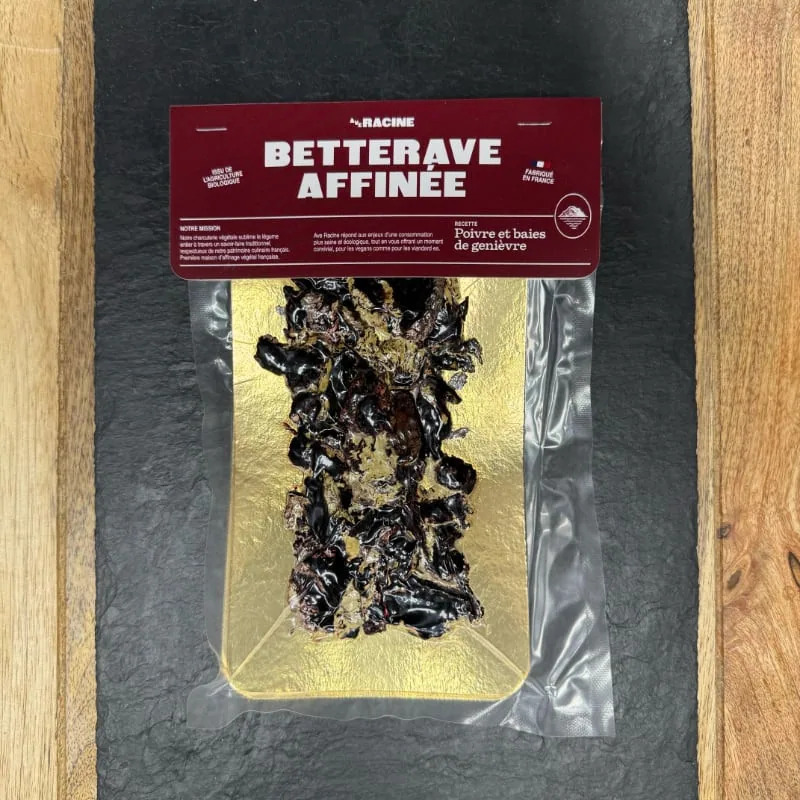
50 g
€4.99
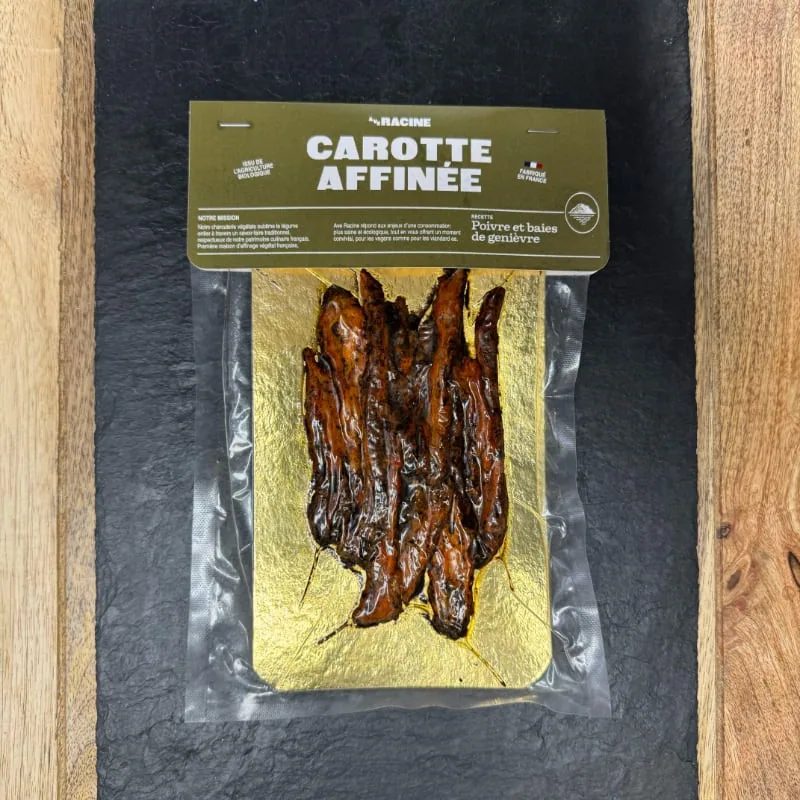
50 g
€4.99
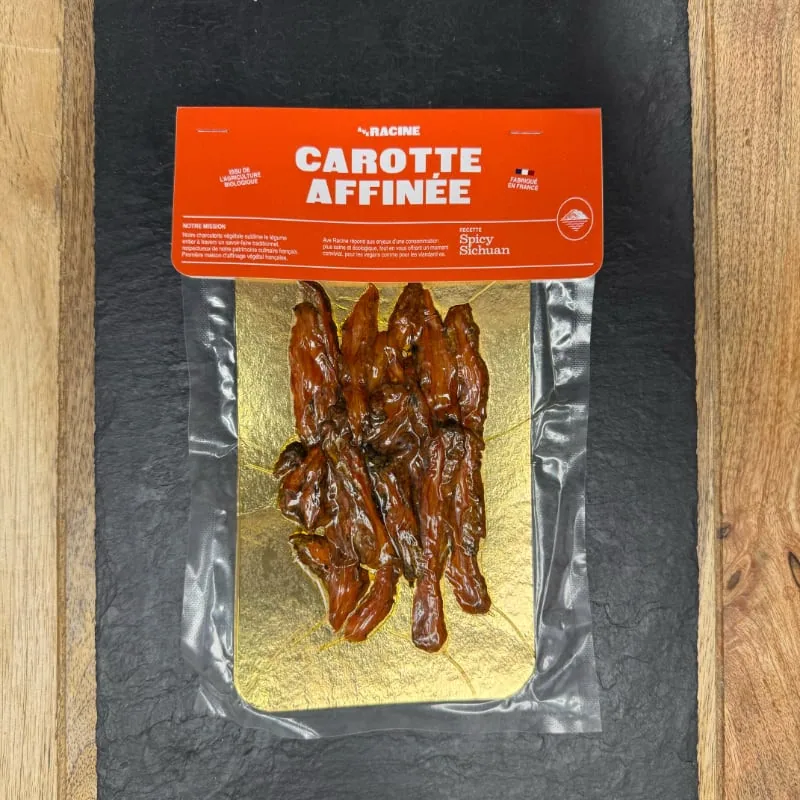
50 g
€4.99
50 g
€4.99
Indeed, it is one of the most telling signs of a product's quality and origin! As well as delivering quality produce, organic farming fits perfectly within a sustainable development outlook. This type of production is the most accomplished when it comes to respecting and protecting the environment, biodiversity and animal welfare!
For a product to carry the Organic Farming label (AB), it must be made up of at least 95% ingredients from organic production methods. The criteria for this label are defined by the Ministry of Agriculture in line with the European organic label. The Agence Bio (which promotes organic farming) and the French Agency for Development champion this label, which is then certified by certifying bodies such as Qualité France SA, Agrocert, Ecocert SA or Aclave.
These bodies audit the companies applying for the label. They are also responsible for reviewing the applications and producing a detailed report. Within this report, several criteria are assessed in order to obtain the Organic Farming label, including the non-use of chemical fertilisers and the non-use of land that has received chemical substances during the previous 3 years. The companies concerned must also allow the bodies to carry out a quality audit demonstrating their full potential in order to obtain this label.
If you would like further explanation regarding the labels, you may turn to one of the certifying bodies of the French Agency for the Development and Promotion of Organic Farming.
So if you're looking for BIO artisanal charcuterie with no added additives or preservatives, you've come to the right place!
Tête de lard takes care of selecting certified BIO artisanal products for you, nitrite-free, made by the finest producers!
The planet is becoming ever more populous, so more and more people need to be fed. To this end, man has found a solution: intensive farming and production.
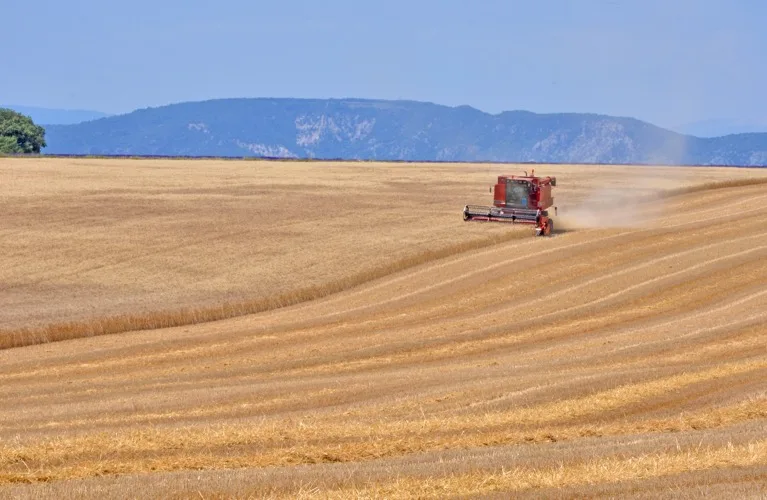
Intensive farming, or productivist farming, involves using inputs to produce in the most optimal way. The aim is to maximise production through the use of labour and very extensive use of the land. It also means an optimal use of chemical fertilisers, fungicides, insecticides, herbicide treatments, growth regulators, pesticides... Highly advanced mechanisation is also an important factor.
Farming as it used to be is gradually disappearing. The techniques and chemical products used mean, for example, that land can be used discontinuously. Herbicides make it possible to replace crop rotations. They help prevent weeds. These new products have also steered farming towards monoculture. This means that farms now only produce one type of vegetable or cereal.
Water is also used in enormous quantities to irrigate crops and boost production.
These methods certainly allow for ever greater production at lower cost, but this is not without risks.
When farmers turn to intensive production, the consequences can be very harmful. More than 66,600 tonnes of pesticides are used in France every year. 2 kilos of pesticides are released every second.
Les pesticides are here, the main cause of the problems. Farmers use pesticides and herbicides to prevent pests or weeds. However, these products seep into the soil and, over time, into streams. These pesticides disrupt the whole ecosystem, plant species disappear, and marine life is also greatly affected
Sometimes, fertilisers are used. They provide the minerals needed for plant growth. Over time, this fertilisation has led to a homogenisation of habitats. This disrupts the functioning of ecosystems.
Intensive farming also means that it is impossible to take breaks. The land is therefore put under enormous strain. Farmers plough it far too much, which disrupts the soil's natural cycle.
Drainage and irrigation reshape landscapes in the long term.
Pesticides and herbicides are poisons for all living creatures. When sprayed over fields, they also affect other orders, killing a great many species. They prevent reproduction, or more simply kill. This affects insects, but also small mammals and birds.
There is a technique for treating fields called crop spraying. This involves spraying the field with pesticides using a plane. Of course, the field is not the only one affected. All the surrounding plots will suffer the same problems.
Hyper-mechanisation leads to the death of many young animals that very often take refuge in the fields and are therefore crushed by the machines.
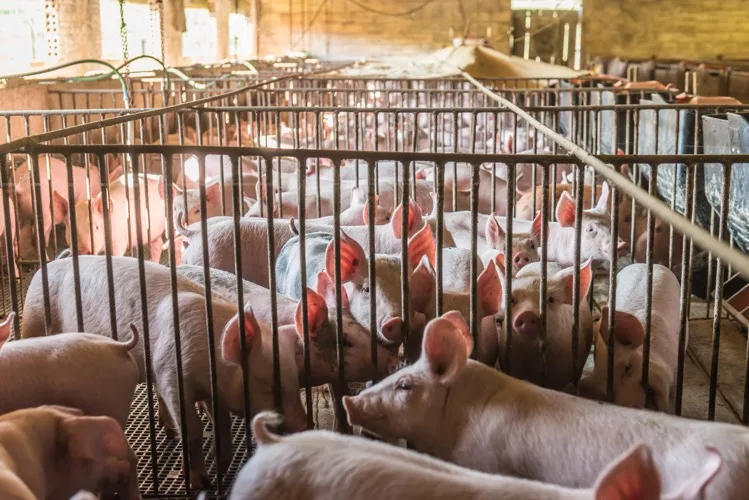 One of the major risks concerning animals is intensive farming. It is estimated that in France, around 8 animals out of 10 are raised in intensive farming without access to the outdoors. When the animals are born, if they do not meet requirements, whether they are males or sometimes females, they are killed on their very first day of life. What awaits the others is not necessarily any better. The young are separated from their mothers very early, which creates trauma. The mothers' productivity is pushed to its maximum, as they give birth far more often than nature would normally allow. For example, a hen lays close to 300 eggs a year compared to around fifteen in the wild. When they are young, the animals are mutilated so that they can live together without issues. Beaks are trimmed, ducks' claws are removed, tails are cut, pigs' teeth are filed down, along with many other cruel practices. The animals are then kept far too crowded in the buildings, which restricts their movement.
The consequences of these treatments are, of course, a very high mortality rate. Nearly 20% of pigs die before the day of slaughter.
If they do not die, they will be slaughtered on a production line, sometimes in horrific conditions. They will die stressed, in suffering.
Unfortunately, intensive farms are conducive to the development of certain diseases. These viruses can then be passed on to humans. We have seen examples with regular flu outbreaks or the mad cow disease scandal.
Furthermore, to prevent infectious diseases among livestock, farmers must use antibiotics. In some countries, farmers even use antibiotics to speed up growth. When we eat this meat, we are consuming the antibiotics the animal has ingested. Over time, our bodies become accustomed to them. As a result, antibiotics will become ineffective within a few years.
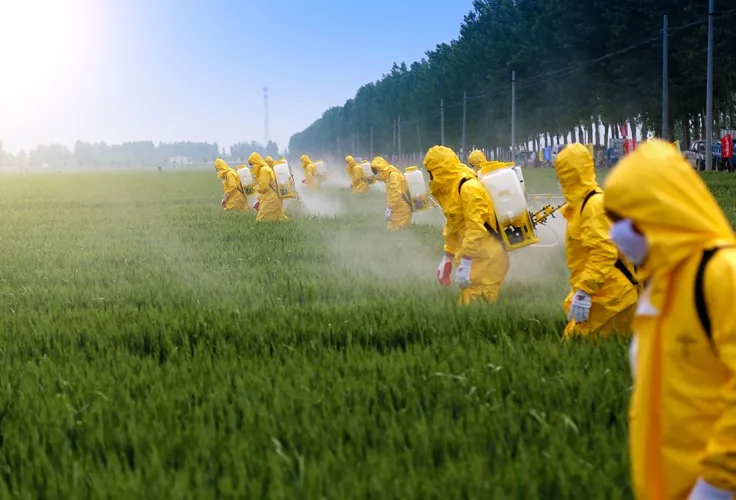
There are also further risks to humans caused by pesticides. These enter our bodies through contact with the skin, by inhalation, or more simply by ingestion.
The first to be affected are farmers. They are sometimes in contact with these harmful products throughout their entire lives. The long-term effects become worrying. Cancers develop, and some farmers die from them.
Unfortunately, one can sometimes inhale them unintentionally, for instance if one lives next to a field. This becomes problematic when a woman is pregnant. Indeed, this product can have effects on the unborn infant, such as malformations.
Finally, the pesticides used on crops sometimes end up on our plates. We therefore eat them on a daily basis, and the effects can be dramatic.
Once the raw materials have been produced, unfortunately it is not over, as industry then takes over, and it is not necessarily any better.
Manufacturers today are engaged in a price war. Production must always be cheaper, to sell more cheaply, and thus sell more than the competitors. Unfortunately, this comes at the expense of quality.
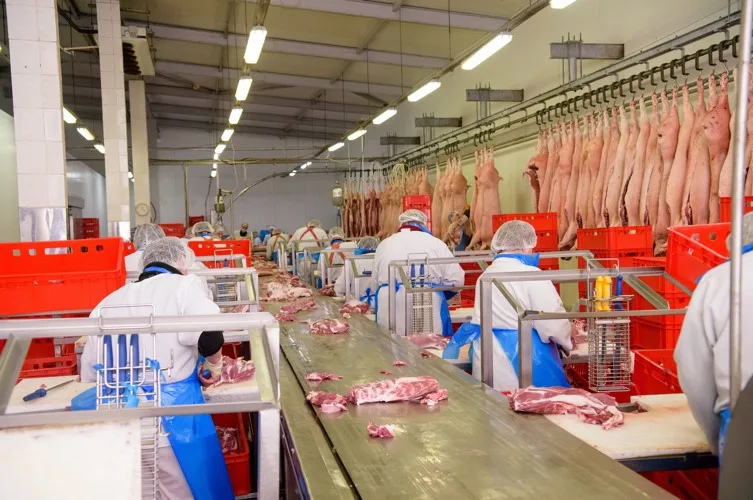
Let us take the example of industrial charcuterie. Manufacturers use raw materials sourced from intensive farming. For a saucisson, it gets off to a very bad start. The pig is slaughtered after only 6 months. Its meat is therefore of poor quality, as it has not had time to develop; the muscles are too small, the flavour is very weak, and the fat is of poor quality. Furthermore, to save time, and therefore money, the cuts of meat are not necessarily very well cut or very well cleaned, so there is a risk of unpleasant bits of sinew in the mouth.
What's more, with this poor quality of meat and preparation, the saucisson will obviously not look appealing. However, there are chemical techniques to remedy this. Firstly, the casing of the saucisson is artificial and replaced with plastic. To achieve the white colour that signals authenticity, manufacturers add talc, which gives that sought-after appearance. The trouble is, this white appearance is actually what is known as the saucisson's bloom, which appears after 4 weeks of ageing. As this waiting time is considered too long, talc is present in 80% of products found in supermarkets.
The deception doesn't stop there; there are now powders that they add to their meat preparations. This powder is a fraction of pig's blood, which has a lovely blood-red colour and a texture similar to meat, yet is not meat at all. Manufacturers take advantage of this, as this powder is far cheaper than meat. They have therefore reworked their recipes and make products with, say, 70% meat, instead of the traditional 100%. Industrial saucisson therefore has far less flavour than a traditional saucisson.
There are alternatives, however. Farmers and artisans are fighting against this intensive production and creating other forms of farming for the future.
France Télévision devoted a lovely report to this.
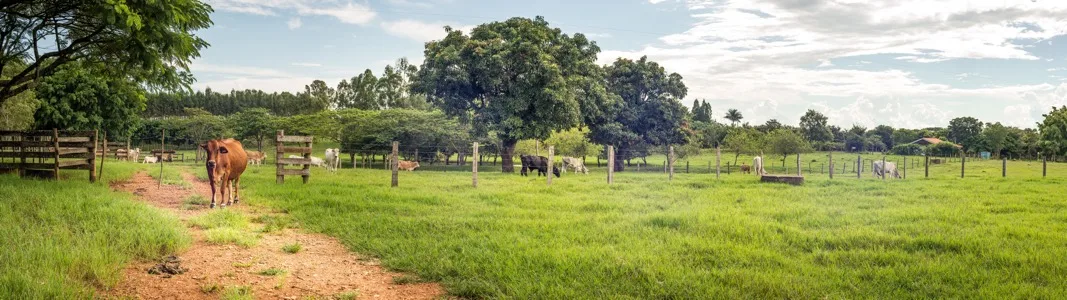
Organic farming is increasingly sought after by consumers and embraced by farmers. It involves excluding the use of synthetic chemical products, as well as animal suffering. Organic farming is, in fact, a large family encompassing a multitude of different farming approaches.
This farming is not entirely organic, but its aim is to minimise the use of external inputs on farms. Pesticides are only used as a last resort. The farmers who practise this form of agriculture try to restore a natural cycle. They allow the land to regenerate by creating long, diversified rotation cycles. They use animal manure and crop residues to nourish the soil. This means using products that come from the farm itself and reducing problems linked to pests and disease. In this way, they create healthy soil without any external inputs.
These farmers take a holistic approach to the farm, where everything can complement everything else, and everything can be put to use.
This form of agriculture is found across Europe. The principle is to identify areas rich in biodiversity and to farm them accordingly. The crops complement one another, which helps avoid the need for chemical additives.
Within this broad family of high nature value farming, we shall take a closer look at permaculture.
Permaculture uses this holistic method, designing systems inspired by natural ecology. It leaves room for wild nature and for the relationships between different ecosystems. This method is very energy-efficient and respectful of all living things.
It aims to be sustainable and sparing in its use of energy, both mechanical and human. Nature is meant to be self-sufficient, each part complementing the next. Species interact with one another, which helps protect them from outside risks and, as a result, does away with the need for chemical products.
La ferme du vieux poirier is a perfect example of this kind of farming. They make use of everything available on their land, even turning its weaknesses into strengths. In time, this couple hopes to become self-sufficient thanks to the resources of their land and the animals they keep.
This is a model that places the tree at the heart of everything. On the same plot of land, the farmer grows trees alongside raising animals. Neither can really do without the other. The trees provide healthy forage for the animals, offer them shelter from predators, help retain water and combat soil erosion.
The Padouen collective uses this technique. A group of farmers produce Noir de Bigorre black pork, which they raise outdoors. The pigs feed mainly on what they find along their way. They are raised in an area made up of meadows and forest edges that suits their needs. The pigs also have the time to develop naturally in the best possible conditions. The farmers give the animals time to live, to build muscle, to mature.
This type of farming aims to ensure healthy soils and plants, in order to provide people and animals with quality food. It takes a holistic view of nature. The more surprising aspect, which sets it apart from conventional organic farming, is that it also takes more subtle energies into account. It factors in the stars and follows a lunar calendar for farming work. The stars are believed to influence plant growth, potentially making them stronger and more resistant. As a result, no chemical products are used, and very strict specifications are respected.
This farming model, meanwhile, is much more scientific. The principle is to study soil microbiology in order to understand its needs, strengths and weaknesses. With this very precise information, farmers can then choose the crop best suited to their soil. They can also understand what it needs to become more fertile. These farmers try to understand the soil so as not to overuse it, and to make the most of it as intelligently as possible.
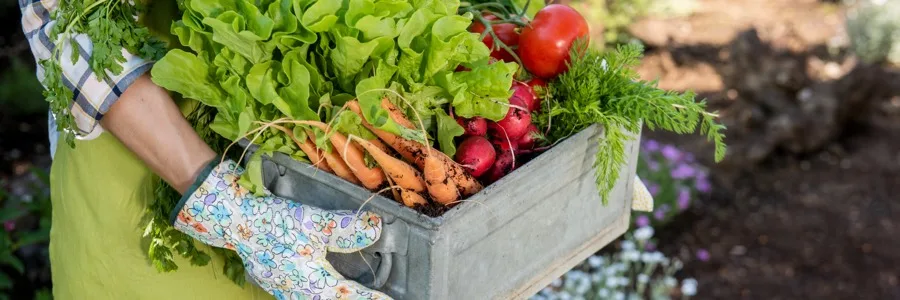
To produce organically and be recognised as such, certain specifications must be respected. These specifications differ from one label to another.
Below, you will find the specifics of each label; we have tried to explain the meaning of each as clearly as possible.
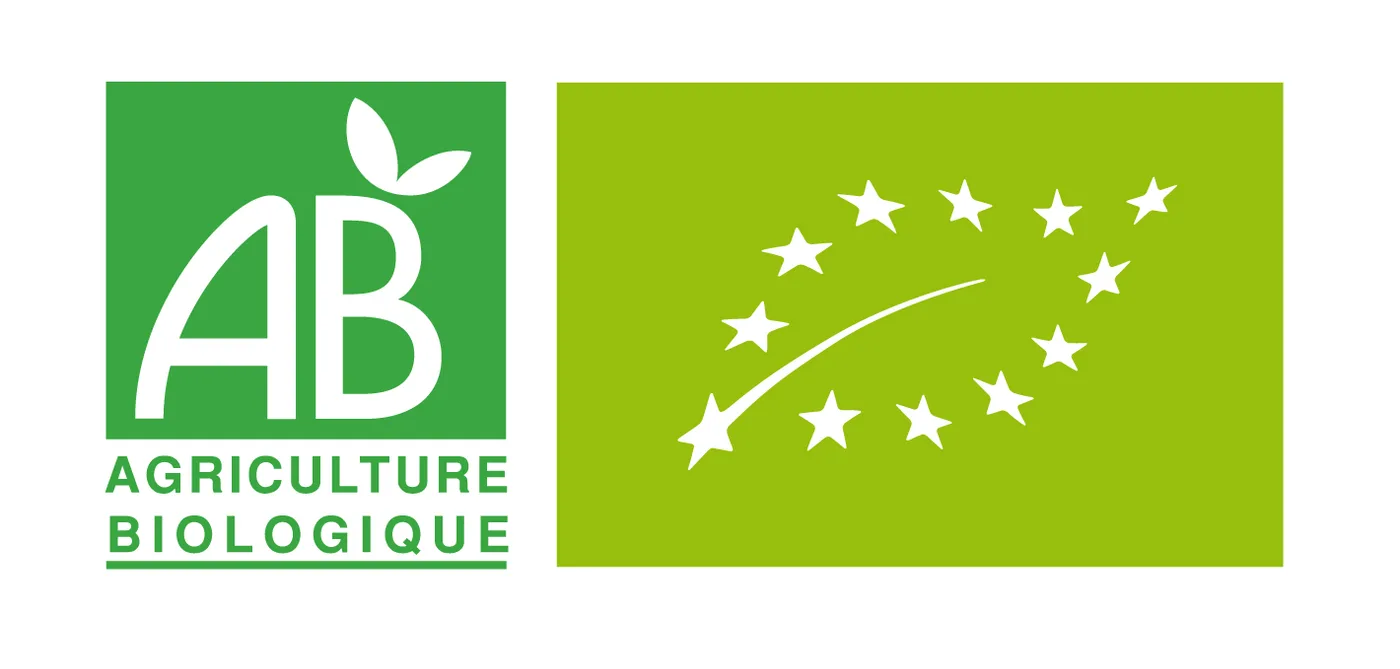
These are two very general logos that go hand in hand. The AB logo is not compulsory, but its reputation is a sales asset worth adding to a product. It is a French label. The European leaf-shaped logo, meanwhile, is compulsory for all manufacturers of products derived from organic farming. Manufacturers must display this logo on their packaging. The European charter imposes a total ban on pesticides and synthetic chemical fertilisers. Certain products of natural origin may be tolerated under certain conditions. GMOs, on the other hand, are strictly forbidden. The final product must contain a minimum of 95% ingredients from organic farming. Farmers are also not permitted to grow the same vegetable, for example, in both organic and non-organic versions. Being 100% organic is very tricky because of neighbouring farms, which may use chemical products.Bio coherence
The European logo shown above took precedence over the French logo following the new regulations of 2010. This had the effect of relaxing the criteria of the AB organic label. Some decided otherwise and created Bio cohérence. It takes up the very strict terms of the AB charter and adds a few more points. The Bio cohérence charter requires that organic products be grown, produced and processed in France. All organic farms, businesses and structures must be French and based on French soil. In addition, they check that all employees receive a fair income. Animal welfare is also monitored very closely. This is a logo with strong humanist values, concerned with working conditions as well as animal welfare.
Bio partenaire
This logo is approved by public authorities. It is closely linked to the Bio Équitable label. Both are based on the European label's charter while incorporating strong humanist values. The Bio partenaire label is built up and constantly renewed through discussions between the various stakeholders. The aim is to support local production and ensure that organic players remain sustainable over time. Respect for the environment is a major concern of the label, which also incorporates a notion of progress. The aim is to improve employees' wellbeing and health, and to reduce their environmental impact. The Bio Équitable label concerns textile production. The charter aims to guarantee a fair, respectful income for small producers.Demeter
Demeter is the label of biodynamic farming. This form of agriculture is inspired by a spiritual movement called anthroposophy. As explained earlier in the article, these farmers adapt their production according to lunar and planetary cycles. The charter bans any use of chemical products in order to preserve the quality of both plants and soil. In addition, biodiversity is strongly encouraged to strengthen the health of the planet. Finally, processed products wishing to obtain this label must be made up of at least 90% Demeter-certified ingredients. The remaining 10% must be certified organic. This label is therefore very protective of our planet, and very respectful of the universe's natural cycle.
Nature et Progrès
This charter is rather old (1964). It was created by professionals and consumers alike. Its charter is very independent, setting itself apart from European regulations. This label is constantly evolving. It adapts to current ecological challenges and new issues. From the outset, the priority has been to promote small-scale farming and organic agriculture. All production wishing to be recognised by this label must be made up solely of already-labelled products. In addition, its production must not harm plants or animals. For example, palm oil is strictly forbidden, because even organic palm oil does not respect people, as working conditions on these plantations are terrible. It also contributes to deforestation, which decimates animal species and, at the same time, the planet.
FairTrade Max Havelaar
This label is relatively recent (2004). It fights against inequality more than for organic production. It focuses on raw materials. It addresses the fact that small farmers from Latin America, Africa or Asia cannot earn a living from their work and are the first to suffer from malnutrition. The label therefore first checks that these producers receive a fair income, enabling them to live decently. However, it can be awarded even if the products are not organically farmed.
USDA Organic
This label is American. Its principle is similar to the European label. It recognises, or not, American organic products. However, its structure is very different. It has created three distinctions. These are, in a sense, levels that determine the degree of organic content in production. Products entirely derived from organic farming receive the 100% Organic label. Products using less than 95% organic ingredients may only use the term Organic. For products containing 70% organic ingredients, they are permitted to state "made with Organic ingredients". This allows consumers to benefit from products that are completely transparent about their composition and establishes a kind of "organic hierarchy". Beyond logos and organic labels, there are also organic distinctions. For food, one distinction is very well recognised by consumers and serves as a benchmark.
Meilleur Produit Bio
This distinction is awarded by a panel of consumers. Only organic products may hope to obtain it. The product must be tested by a panel of 100 consumers and achieve a score above 16/20. Present on the market since 2013, it gives consumers the guarantee of an organic product and, furthermore, assurance of its quality, effectiveness and taste. Each year, products either obtain the distinction or not. Thanks to the various labels, it is now easy to eat organic, with products that are recognisable and reliable. These days, there is a genuine urgency to change our consumption habits. This urgency concerns, first and foremost, our planet, which intensive farming puts at risk. Animal species suffer enormous consequences, most often irreversible ones. Finally, this urgency is caused by us, humans, even though we also suffer its heavy consequences.
Craftspeople work with passion and conviction to produce and offer consumers another way of life, a more environmentally friendly way of consuming. By protecting what is dearest to us, we also protect ourselves.
Take the example of the producer Mickaël Blanc Gonnet, head of Gaec du cuvy. He is a small producer from Savoie who raises his cows himself, outdoors. They are only kept indoors in winter, because of the cold. In summer, he takes them up to mountain pastures where they enjoy grass of incomparable quality from the heights. Thanks to their milk, a cheese production is possible, the genuine Beaufort. With their meat, he makes an authentic saucisson. He raises his animals and then makes products from them. He oversees everything and ensures quality throughout. He is also part of the Bienvenue à la ferme network, which allows families and tourists to visit his farm and discover his products. Here is an example of a farmer who is aware of the role he has to play in today's environmental challenges.
Tête de lard offers products from environmentally friendly farming, from producers who care about today's issues:
- No added chemical products
- Animal welfare
- Fair incomes
- Quality at the heart of production
- Local production
These are farmers and craftspeople who deserve to be honoured, and who merit boundless consideration.
You can find our producers, as well as their products, on our website at the best price online.