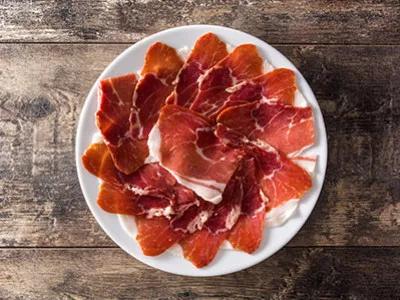
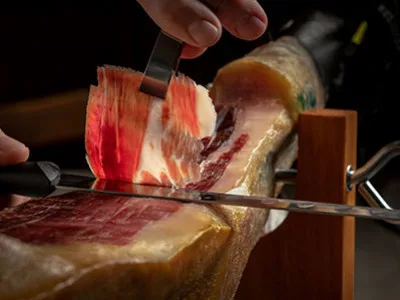
Ham, and how good it is!
A journey through time: The history and origins of ham!
The earliest traces of meat preservation by salting date back several millennia. Ancient civilisations, such as the Egyptians and the Chinese, used…
6 min read· By Rémi Ledu
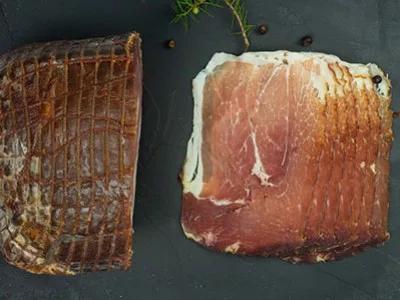
The earliest traces of ham:
The earliest traces of meat preservation by salting date back several millennia. Ancient civilisations, such as the Egyptians and the Chinese, used salting techniques to preserve meat, including pork, before the invention of refrigeration.
Ham in Antiquity:
In Antiquity, ham was already a precious commodity. The Greeks and Romans perfected salting and drying techniques, making ham an essential part of their diet. Roman banquets, in particular, were famed for their opulent feasts, where ham was often given pride of place.
Ham in the Middle Ages:
During the Middle Ages, ham became even more popular in Europe. Monasteries played a key role in preserving the techniques for preparing ham, perfecting salting and smoking methods. Ham was not only a food, but also a symbol of wealth and prosperity.
Ham in the Modern Era:
In the modern era, ham continues to evolve with more sophisticated production methods and strict health regulations. Industrialisation and improved preservation techniques have enabled large-scale production and distribution, making ham accessible to a wider public.
Traditional ham-making techniques:
The traditional preparation of ham varies according to region, but it generally involves several key stages: salting, drying, and sometimes smoking. Each method contributes to the unique flavour of the final product. For example, Parma ham in Italy is salted and air-dried for months, whilst jambon de Bayonne in France undergoes a rigorous salting process before being aged.
The different varieties of ham:
There is a multitude of ham varieties, each with its own characteristics and preparation methods. Among the most famous, one finds Parma ham, Italian prosciutto, Spanish jamón ibérico, and French jambon de Bayonne. Each type of ham reflects the traditions and specific terroirs of its region of origin.
Ham in Europe:
In Europe, ham is a culinary speciality that varies from one country to another. Italy is renowned for its prosciutto, whilst Spain is famous for its jamón ibérico, a black pork ham from free-range pigs fed on acorns. In France, jambon de Bayonne and jambon d'Ardenne are particularly prized.
Ham in America:
In America, ham also has a long history, influenced by European traditions. In the United States, Virginia ham is a regional speciality known for its intense flavour and firm texture. The country also produces many types of cooked ham, often glazed with honey or maple syrup.
Ham in Asia:
In Asia, ham is also appreciated, although the preparation methods and flavours differ considerably from Western traditions. In China, Jinhua ham is famous for its rich, salty taste, often used as an ingredient in traditional Chinese dishes.
Ham and popular culture:
Ham has found its way into popular culture, appearing in literature, films, and even in idiomatic expressions. It is often associated with conviviality and festive meals, symbolising sharing and indulgence.
The evolution of preparation techniques:
Over time, ham preparation techniques have evolved, incorporating modern technologies and sustainable practices. Today, ham production combines artisanal traditions with technological innovations to guarantee optimal quality.
The role of ham in modern cuisine:
In modern cuisine, ham is a versatile ingredient used in a multitude of dishes, from starters to main courses, and even in certain dessert recipes. Its unique taste and texture make it a favourite among chefs the world over.
Ham and health:
Ham, eaten in moderation, can be part of a balanced diet. It is rich in protein and essential nutrients, but it's also important to keep an eye on its salt and fat content. Artisanal varieties, often less processed, are generally preferable for regular consumption.
How to choose and store ham:
Choosing a good ham depends on several criteria, such as origin, preparation method, and quality certifications. To store it, it is essential to keep it in a cool, dry place, or in the fridge, and to consume it within the recommended timeframe to preserve its flavour and freshness.
The best ham-based recipes:
Ham lends itself to many delicious recipes. Among the essentials, you'll find ham sandwiches, quiches, omelettes, and pasta dishes. Each recipe showcases the unique flavour of ham, offering an incomparable taste experience.
Festivities and traditions around ham:
Ham often plays a central role in celebrations and culinary traditions around the world. In Europe, it is often present during the end-of-year festivities, while in America, it is a traditional Easter dish. These traditions bear witness to the cultural and social importance of ham.
Modern innovations in ham preparation:
Modern innovations have transformed ham production, with faster drying techniques, cold-smoking methods, and controlled maturation processes. These advances make it possible to produce a high-quality ham while respecting health and environmental standards.
The economic impact of ham production:
Ham production has a significant economic impact, creating jobs and generating revenue in many regions. Protected designations of origin (AOP) and protected geographical indications (IGP) play a key role in promoting and protecting local products.
Ham and sustainable development:
Sustainability has become a priority in ham production, with environmentally friendly farming practices and initiatives to reduce carbon footprint. Producers are increasingly aware of the importance of preserving natural resources whilst maintaining quality production.
The future of ham: trends and outlook:
The future of ham looks promising, with growing demand for quality products and sustainable production practices. Current trends include innovation in flavours, transparency around production methods, and a heightened interest in artisanal products.
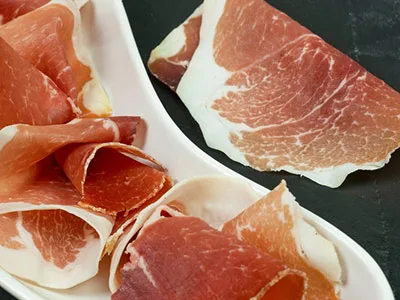
FAQ on ham:
What are the different types of ham?
There are several types of ham, each with its own characteristics. Among the best known are cured ham (such as Parma ham or jamón ibérico), cooked ham (such as white ham), and smoked ham.
What is the difference between cured ham and cooked ham?
Cured ham is salted and air-dried, whilst cooked ham is generally boiled or steamed. Cured ham has a more intense flavour and a firmer texture, whereas cooked ham is more tender and less salty.
How is ham traditionally prepared?
Traditionally, ham is prepared by salting, drying and sometimes smoking. The salting process can last several weeks, followed by a maturing period that can range from a few months to several years.
Which countries are famous for their ham?
Countries famous for their ham include Italy (prosciutto di Parma), Spain (jamón ibérico), France (jambon de Bayonne), and the United States (Virginia ham).
Is ham good for your health?
Ham, when consumed in moderation, can be part of a balanced diet. It is rich in protein and essential nutrients, but it is also important to keep an eye on its salt and fat content.
What are the best ways to enjoy ham?
Ham can be enjoyed in many ways, whether in thin slices on bread, incorporated into dishes such as quiches and omelettes, or used as the main ingredient in more elaborate recipes.
The history and origins of ham reveal a fascinating culinary evolution through the ages. From its humble beginnings in ancient civilisations to modern production techniques, ham continues to delight palates the world over. By understanding its past, we can better appreciate every delicious slice of ham, celebrating both its heritage and its future innovations.