Ham, and how good it is!
The secrets of ham-making!
Ham has a rich history going back thousands of years. The earliest traces of salted and dried ham date back to Roman times. Since then, every culture has developed its own…
7 min read· By Rémi Ledu
The history of ham:
Ham has a rich history going back thousands of years. The earliest traces of salted and dried ham date back to Roman times. Since then, every culture has developed its own techniques and recipes, creating an incredible diversity of hams across the world.
What is ham?
Ham is a cut of meat generally taken from the hind leg of the pig. It may be raw or cooked, smoked or unsmoked, and prepared according to various curing and maturing methods. The quality of the ham depends on many factors, including the breed of the pig, its diet, and the techniques used during production.
The different varieties of ham:
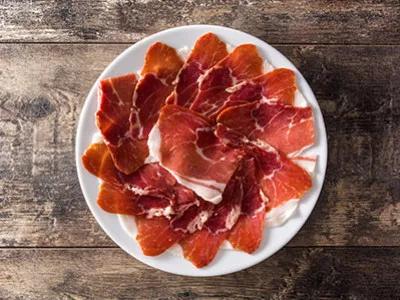
There are many varieties of ham, each with its own distinctive characteristics. Among the most famous, you'll find Parma ham, jambon de Bayonne, Italian prosciutto, Spanish serrano, and Iberian ham. Each of these hams is made according to methods specific to its region of origin.
Selecting the meat:
The first step in making ham is selecting the meat. Farmers choose pigs of specific breeds, often fed particular diets to ensure optimal meat quality. Rearing conditions and feed play a crucial role in the texture and final taste of the ham.
Curing techniques:
The dry method:
Dry curing is one of the most traditional techniques. It involves rubbing the meat with salt and sometimes spices. The salt helps to dehydrate the meat, preventing bacterial growth and allowing long-term preservation. This method is often used for high-quality hams such as Parma ham.
The wet method:
The wet method, or brine curing, involves immersing the meat in a solution of salt and water. Sometimes spices and flavourings are added to the brine to enrich the taste. This technique is quicker than the dry method and is commonly used for hams intended to be cooked.
Spices and additional ingredients:
The addition of spices and extra ingredients can vary according to regional traditions. Pepper, herbs, garlic, and even wine may be used to infuse the meat with unique flavours. These ingredients play an important part in defining the taste profile of each type of ham.
The importance of maturing:
Dry maturing:
Dry maturing is done by hanging the ham in special cellars where the temperature and humidity are carefully controlled. This stage can last from several months to several years, during which the meat develops its complex flavours and tender texture.
Wet maturing:
Wet maturing, or brine curing, involves leaving the meat to soak in brine for an extended period. Although this method is less common for prestige hams, it is essential for certain types of cooked ham.
Ham cellars:
Ham cellars are carefully controlled environments where hams are hung to dry and mature. The ideal conditions of temperature and humidity allow the rich flavours and characteristic texture of dry-cured ham to develop.
Controlling humidity and temperature:
Maintaining precise control of humidity and temperature is crucial to avoid the growth of unwanted mould and ensure even maturing. Ham producers constantly monitor these parameters to guarantee the quality of each piece of meat.
The role of beneficial moulds:
Certain moulds, such as Penicillium nalgiovense, play a positive part in the maturing of ham. They help develop a protective rind and contribute to the development of complex aromas.
Smoking techniques:
Smoking is a preservation method that also adds a unique flavour to the meat. The wood used for smoking, whether oak, beech or apple wood, strongly influences the final taste of the ham.
The different cooking methods:
Ham can be eaten raw, like prosciutto, or cooked in various ways. Cooking methods include roasting, boiling, and even steaming. Each cooking method brings its own nuances of flavour and texture.
Raw ham vs cooked ham:
Raw ham, like Parma ham, is simply salted and dried. Cooked ham, on the other hand, is cooked after salting, like the plain boiled ham commonly found in grocery shops.
Quality labels:
Quality labels, such as the Protected Designation of Origin (AOP) or the Protected Geographical Indication (IGP), guarantee that the ham meets strict production standards and comes from a specific region, thereby ensuring superior quality.
Regional secrets:
Each region has its own secrets for making ham. For instance, the climate, the pigs' diet, and local traditions deeply influence the taste and texture of the finished product.
Parma ham:
Parma ham, or Prosciutto di Parma, is renowned for its softness and melt-in-the-mouth texture. Made in the Parma region of Italy, it benefits from ideal climatic conditions for maturing.
Jambon de Bayonne:
Jambon de Bayonne is a well-known French product, made in the south-west of France. Its delicate flavour and artisanal salting process make it a favourite among charcuterie lovers.
Italian prosciutto:
Prosciutto is a salted and dried Italian ham, often served raw in thin slices. There are several varieties of prosciutto, each with its own regional characteristics.
Spanish serrano:
Serrano ham is a traditional Spanish product, known for its intense flavour and slightly dry texture. It is often enjoyed as tapas or in sandwiches.
Iberian ham:
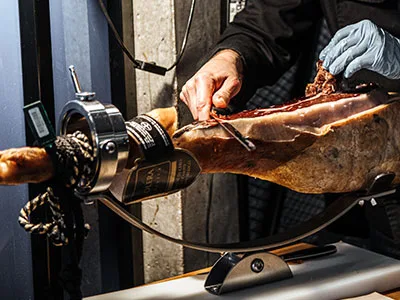
The jambon ibérique, or Jamón Ibérico, is considered one of the finest hams in the world. Made from pigs of Iberian breed, reared freely and fed on acorns, it offers an incomparable flavour.
How to enjoy ham:
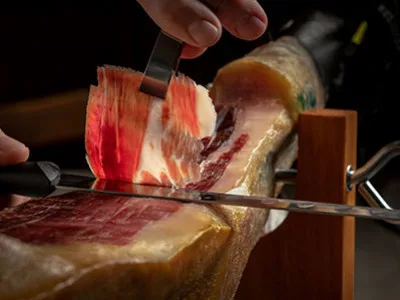
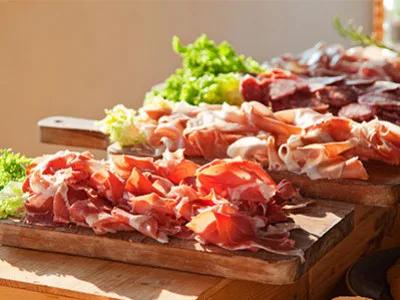
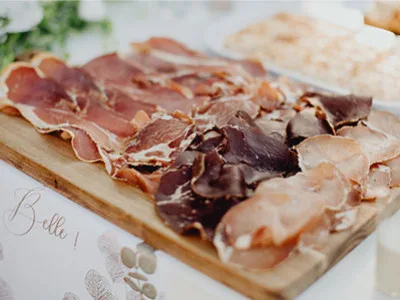
Enjoying ham is an art in itself. It is often served in thin slices, at room temperature, so that its aromas can fully unfold. Pair it with fresh bread, cheeses, and well-matched wines for a complete tasting experience.
Food and wine pairings:
The choice of wine to accompany ham depends on the variety in question. Light red wines, dry white wines, and even certain sparkling wines can complement the flavours of the ham harmoniously.
Ham in world cuisine:
Ham plays an essential role in many cuisines around the world. Whether in sandwiches, salads, or cooked dishes, it adds an unrivalled dimension of flavour.
Storing ham:
Storing ham correctly is essential to preserve its quality. Raw hams should be kept in a cool, dry place, while cooked hams can be refrigerated.
Health benefits:
Ham is a source of protein, vitamins and minerals. However, it is also rich in salt and fat, so it should be enjoyed in moderation as part of a balanced diet.
Myths about ham:
There are several myths about ham, notably that it is always bad for your health or that it cannot be eaten by those following a strict diet. In reality, as with any food, moderation and choosing quality products are key.
FAQ:
What are the different types of ham?
There are many types of ham, including Parma ham, jambon de Bayonne, prosciutto, serrano, and Iberian ham, each with its own methods of production and distinct characteristics.
How is ham made?
Ham is made from the pig's hind legs, which are salted, sometimes smoked, then matured under specific conditions of temperature and humidity.
What is the difference between raw ham and cooked ham?
Raw ham, such as prosciutto, is salted and dried without cooking. Cooked ham, such as jambon blanc, is salted and then cooked to develop its flavours.
What are the health benefits of ham?
Ham is a good source of protein, vitamins and minerals, but it is also rich in salt and fat, so it should be enjoyed in moderation.
How should ham be stored?
Raw ham should be kept in a cool, dry place, while cooked ham should be refrigerated and eaten within a few days of opening.
Which wines go well with ham?
Light red wines, dry white wines, and certain sparkling wines pair beautifully with the different varieties of ham.
Making ham is an art that combines tradition and expertise. Every step, from selecting the meats to maturing them, contributes to creating a final product rich in flavours and textures. By understanding the secrets behind ham-making, one can fully appreciate this gem of gastronomy. Whether you are a lover of Parma ham, jambon de Bayonne, or serrano, every slice tells a story of know-how and passion.