Ham, and how good it is!
PATA NEGRA ham
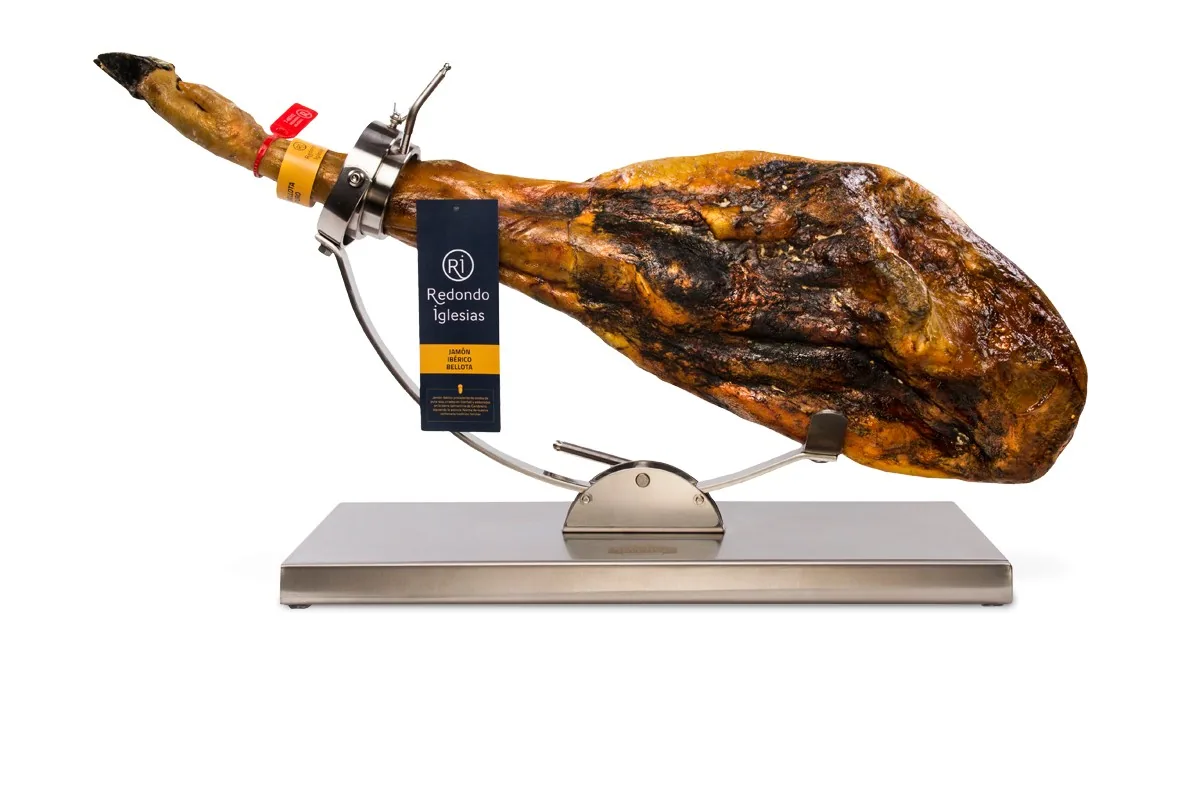
Pata Negra, the best-known of the Iberian hams, is considered the finest ham in the world. Known to all for its exquisite flavours and powerful taste, its production process, …
6 min read· By Rémi Ledu
Discover our Spanish Charcuterie range!
Rearing
Production
Tasting
Pata Negra, the best-known of the Iberian hams, is considered the finest ham in the world. Known to all for its exquisite flavours and powerful taste, its production process, from rearing right through to tasting, remains little known.
Rearing
To make an exceptional ham, you need equally remarkable pigs. The Iberian Pata Negra pig gave its name to this product that we all know so well. Indeed, this pig is distinguished by its black colour. It is a breed unique in the world, and this animal has the ability to infiltrate fat into the muscle, which makes its meat fattier and therefore of higher quality.
Thanks to its snout, its size but more particularly its general appearance and behaviour, it becomes clear that its ancestor is the wild boar. Farmers of the time began domesticating this wild animal as they became settled. People needed a source of protein available all year round.
They simply took the piglets away from their parents so as to allow them to adapt to a human environment. The pigs were therefore kept in captivity from a very young age, then selected according to their characteristics. Today, this animal can weigh around 170 kilos. It sits somewhere between the wild boar and the more classic pig.
These animals, recognisable by their slender hind legs, are reared in a rather particular way. They are raised in the classic manner for months, though their diet remains very closely monitored. Acorns must remain the basis of their diet, then comes the Montanera. This is a five-month process, from October to March, during which the pigs fatten up. Their only activities are sleeping and eating. This process takes place in the dehesas where the concentration of holm oaks is at its highest. The exceptional climate of these very particular parts of Spain produces an abundance of acorns.
The pigs roam freely, and tradition dictates that there should be no more than 5 pigs per hectare of land. At this stage, they arrive weighing around 6 kilos. During this process, they will gain a minimum of 50 kilos to reach their final weight. They walk all day long in search of food, which must consist solely of acorns. This is the most important condition for a ham to earn the right to the title of Pata Negra. It is the most crucial stage, giving this meat its inimitable appearance and taste. This diet also gives the ham its very distinctive flavours.
The Making:
The tradition that has endured through the centuries produces here an exceptional result, the most famous ham in the world. It is a Spanish speciality that can only be crafted by professionals, the Jamoneros. This is the exceptional charcuterie so sought after by connoisseurs!
- The part selected for the ham is the shoulder.
- Profiling is the second step. This is the aesthetic part of the preparation. The professionals cut this shoulder into a V shape to give it a lovely teardrop form, and remove the excess rind on the upper part.
- Then comes the third step, salting. This is the technique used to preserve the food, and the weight of the ham determines the length of the salting period. It is considered that one kilo corresponds to one day of salting. A 13-kilo ham will therefore remain in salt for 13 days. During this period, the hams are covered in salt, which encourages their dehydration. They are then kept in cold rooms.
- Washing and resting follow the salting. This is a step where the hams are treated one by one. They are washed, then brushed with lukewarm water. This removes any remaining salt. The resting period allows for a slow, cold drying process at temperatures between zero and six degrees for around three months.
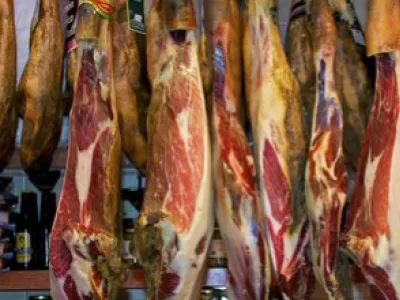
- The ham then needs drying and maturing. It will spend whole days and nights in natural drying rooms, which are rooms fitted with open windows, and the ham will breathe in the particular air of the region in which it is found. This stage allows a natural fusion of the infiltrated fat to achieve an even distribution.
- The pieces of ham are then sorted by weight and shape, then placed in natural cellars to carry out the final stage of production. The temperature must remain absolutely stable for the drying, which can last from 36 to 48 months. This ageing allows the water to slowly evaporate from the ham, giving way to concentrated flavours. During this period, the ham will lose around 40% of its weight.
It is a ham that demands extreme patience, particular know-how, and a combination of elements such as place, time and climate, which together allow this exceptional product to be crafted. Today one finds Jamoneros of organic charcuterie, and this exceptional ham did not escape this type of production. Indeed, most of these hams are organic, but the producers show little inclination to highlight this sometimes controversial argument.
Tasting
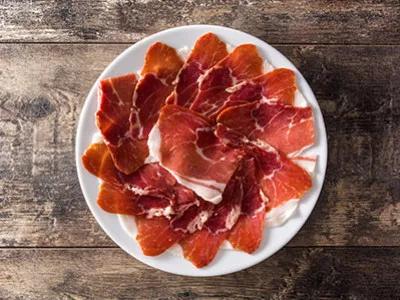
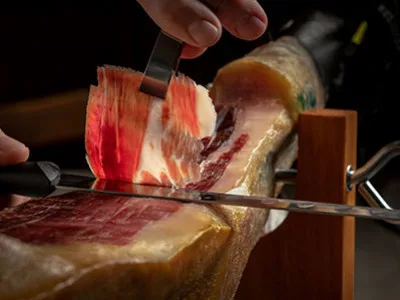
The Bellota ham has rich and powerful aromas, a very supple texture and a finish lasting several minutes, dominated by flavours of woodland, moss, and above all hazelnut. It is enjoyed in very thin slices, keeping the fat too, which is equally full of flavour.
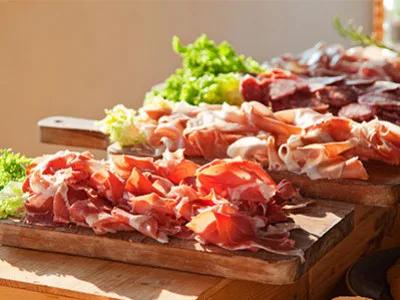
It is a ham that pairs perfectly with many foods. It can be enjoyed very simply with bread and a good French cheese, or in a more original way in sweet and savoury recipes, for example.
A good ham should also be perfectly accompanied to bring out its exceptional flavours.
Ham can be paired with different kinds of wines and spirits, provided they are chosen with care.
- White wine is not the best possible choice, as too young a wine is too fruity, but Chardonnays can still do the trick. Over time, they develop undergrowth and mushroom flavours reminiscent of the taste of Pata Negra ham
- Rosé wines, on the other hand, are best avoided, as their flavours don't sit well with those of the ham.
- Young red wines pair perfectly; you should choose a wine with powerful aromas.
- Aged red wines are the best possible choice. You should rather choose a wine where the woody taste doesn't drown out the wine's aromas, and where the acidity is strong enough to stand up to the fat of the Iberian ham.
- As a general rule, sweet wines should be avoided, as they are too sugary.
For a more original pairing, you could choose champagne. It should be aged 15 months or more and preferably brut. The ham's ageing will guide you towards the champagne's ageing, as the two go hand in hand. The bubbles, meanwhile, bring the freshness that contrasts with the rich, fatty side of the Pata Negra.
For the more adventurous among you, sake is a possibility; this rice-distilled spirit with its unique flavour cleanses the palate well, which develops and prolongs the pleasure of tasting the ham.
You now know all the secrets of Pata Negra ham, from rearing the animals through to tasting it.