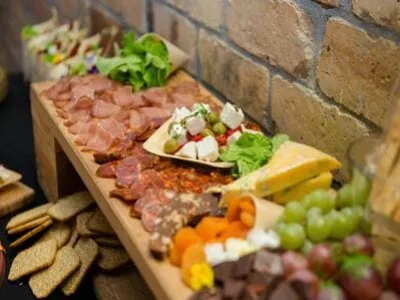
Charcuterie with friends
The complete guide to charcuterie!
The history of charcuterie goes back to Antiquity, when the Egyptians and Romans used salting techniques to preserve meat. In Europe, charcuterie…
5 min read
The history of charcuterie:
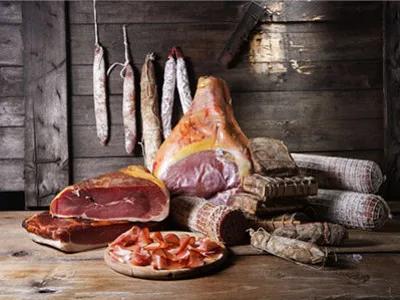
The history of charcuterie goes back to Antiquity, when the Egyptians and Romans used salting techniques to preserve meat. In Europe, charcuterie developed during the Middle Ages with the emergence of butchers' and charcutiers' guilds. Each region developed its own specialities, depending on local resources and culinary traditions.
Traditions and culture:
Charcuterie is deeply rooted in the cultural traditions of many countries. In France, for example, charcuterie is a key part of the gastronomy, with regions renowned for their specific products such as jambon de Bayonne or saucisson de Lyon. In Italy, charcuterie includes delights such as prosciutto and mortadella, while in Spain, chorizo and jamón ibérico are must-haves.
The varieties of charcuterie:
The diversity of charcuterie is immense, ranging from the simplest products to the most sophisticated preparations. Here is an overview of the main categories:
- Saucissons: These include products such as dry-cured saucisson, chorizo, and more. They may be raw or cooked, smoked or dry-cured.
- Hams: Cured ham, such as Parma ham, and cooked ham, such as plain boiled ham, are stars of charcuterie.
- Pâtés and terrines: These products are often made from minced meat blended with spices, liver, and sometimes vegetables or dried fruit.
- Rillettes: This is meat slowly cooked in its own fat, then shredded and potted.
The main types of charcuterie: sausages, hams, pâtés, terrines, and more
Charcuterie offers an impressive variety of products, each with its own characteristics and preparation methods. Here is a closer look at these delights:
Saucissons:
Saucissons are a mainstay of charcuterie, and their variety is remarkable. They may be dry-cured, smoked, or cooked. Among the best known, you will find:
- Dry-cured saucisson: Made from minced pork, seasoned and dry-cured. Perfect for an aperitif.
- Chorizo: A spiced Spanish sausage, often smoked, which may be mild or hot.
Hams:
Ham is another essential of charcuterie, with variations depending on preparation methods and regions:
- Cured ham: Such as Parma ham or prosciutto, salted and air-dried.
- Cooked ham: Such as plain boiled ham, steamed or poached, ideal for sandwiches and salads.
- Smoked ham: Wood-smoked, it has an intense flavour and is often enjoyed in thin slices.
Pâtés and terrines:
Pâtés and terrines are more elaborate products, often served as a starter or on toast:
- Le pâté de campagne (country-style pâté): A rustic blend of pork, often enriched with liver and spices.
- The foie gras terrine: A French luxury, made from duck or goose foie gras, sometimes with truffle.
Rillettes:
Rillettes are another speciality, distinguished by their texture:
- Pork rillettes: The meat is slow-cooked in its own fat, then shredded and preserved.
- Duck rillettes: A more refined variety, often lighter than pork rillettes.
- Fish rillettes: Prepared with salmon, mackerel, or other fish, they're perfect on toasted bread.
How do you choose the best charcuterie?
Choosing the best charcuterie can be a tricky task, given the vast range of products available. Here are a few tips to guide you in your selection:
The quality of the ingredients:
Always favour products made from high-quality meat. Look for quality labels such as Label Rouge in France, which guarantees production that respects tradition and upholds high standards of animal welfare.
Artisanal vs. industrial:
Artisanal charcuterie products are often of better quality than mass-produced ones. Artisan charcutiers use traditional recipes and careful preparation methods, which results in richer flavours and more pleasing textures.
Additives and preservatives:
Read the labels carefully to avoid products containing too many artificial additives and preservatives. Opt for charcuterie that uses natural preservation methods, such as salt and spices.
Provenance:
The provenance of charcuterie products can also be an indicator of quality. Regions renowned for their charcuterie specialities, such as Bavaria for sausages or Italy for prosciutto, are often synonymous with exceptional products.
Storage tips:
Charcuterie should be stored properly to preserve its freshness and flavour. Dry-cured and smoked products can be kept at room temperature in a cool, dry place, whilst fresh products should be refrigerated and eaten promptly after opening.
Food and wine pairings:
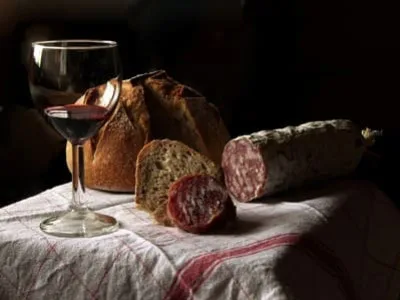
Finally, don't forget to think about food and wine pairings when choosing your charcuterie. A good wine can bring out the flavours of charcuterie beautifully, whether it's a full-bodied red with a saucisson sec or a fruity white with a cured ham.
FAQ:
What exactly is charcuterie?
Charcuterie refers to a range of food products made from meat, mainly pork, but also poultry, beef and game. It includes sausages, hams, pâtés, terrines and other specialities.
What's the difference between a pâté and a terrine?
A pâté is generally a smooth, even blend of meat, often enriched with liver and spices, whilst a terrine is a coarser mixture, often with visible pieces of meat and other ingredients.
How should charcuterie be stored?
Dry-cured and smoked products can be kept at room temperature in a cool, dry place, whilst fresh products should be refrigerated and eaten promptly after opening.
What are the best food and wine pairings for charcuterie?
Pairings depend on the type of charcuterie. For example, a saucisson sec goes well with a full-bodied red wine, whilst a cured ham is best enjoyed with a fruity white wine.
Is charcuterie healthy?
Charcuterie can be enjoyed as part of a balanced diet, but it's important to choose quality products and eat them in moderation, given their salt and fat content.
What are the best types of artisanal charcuterie?
Among the most renowned artisanal charcuteries are jambon de Bayonne, saucisson de Lyon, prosciutto di Parma, and Spanish chorizo, each offering its own unique flavours and textures.
Charcuterie is a culinary art that combines tradition, know-how, and diversity. Whether you are a lover of sausages, a ham enthusiast, or a refined gourmet who enjoys pâtés and terrines, there is always something new to discover and savour in the world of charcuterie. Choosing the best charcuterie means paying close attention to the quality of the ingredients, the production methods, and the provenance of the products. By following this advice, you can be sure to enjoy charcuterie products that will delight your taste buds and enrich your meals.