Charcuterie with friends
The foie gras
The ducks come from the Gers, and are fed naturally with maize, hand-fed. This type of grain gives a pale pinkish-white foie gras, and a full flavour. A pale foie gras is proof of…
3 min read· By Rémi Ledu
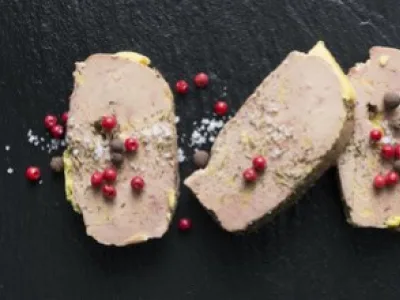
The classic, foie gras from the Gers,
A duck fattened on maize
An authentic semi-cooked foie gras
A terroir renowned for its foie gras
Different types of foie gras
Raw foie gras
Fresh foie gras
Semi-cooked foie gras
Tinned foie gras
Good to know
A duck fattened on maize.
The ducks come from the Gers, and are hand-fattened on natural maize. This type of grain gives a very pale pinkish-white foie gras, full of flavour. A pale foie gras is a sign of quality, much sought after by master chefs, enthusiasts, and purists of French gastronomy.
An authentic semi-cooked foie gras.
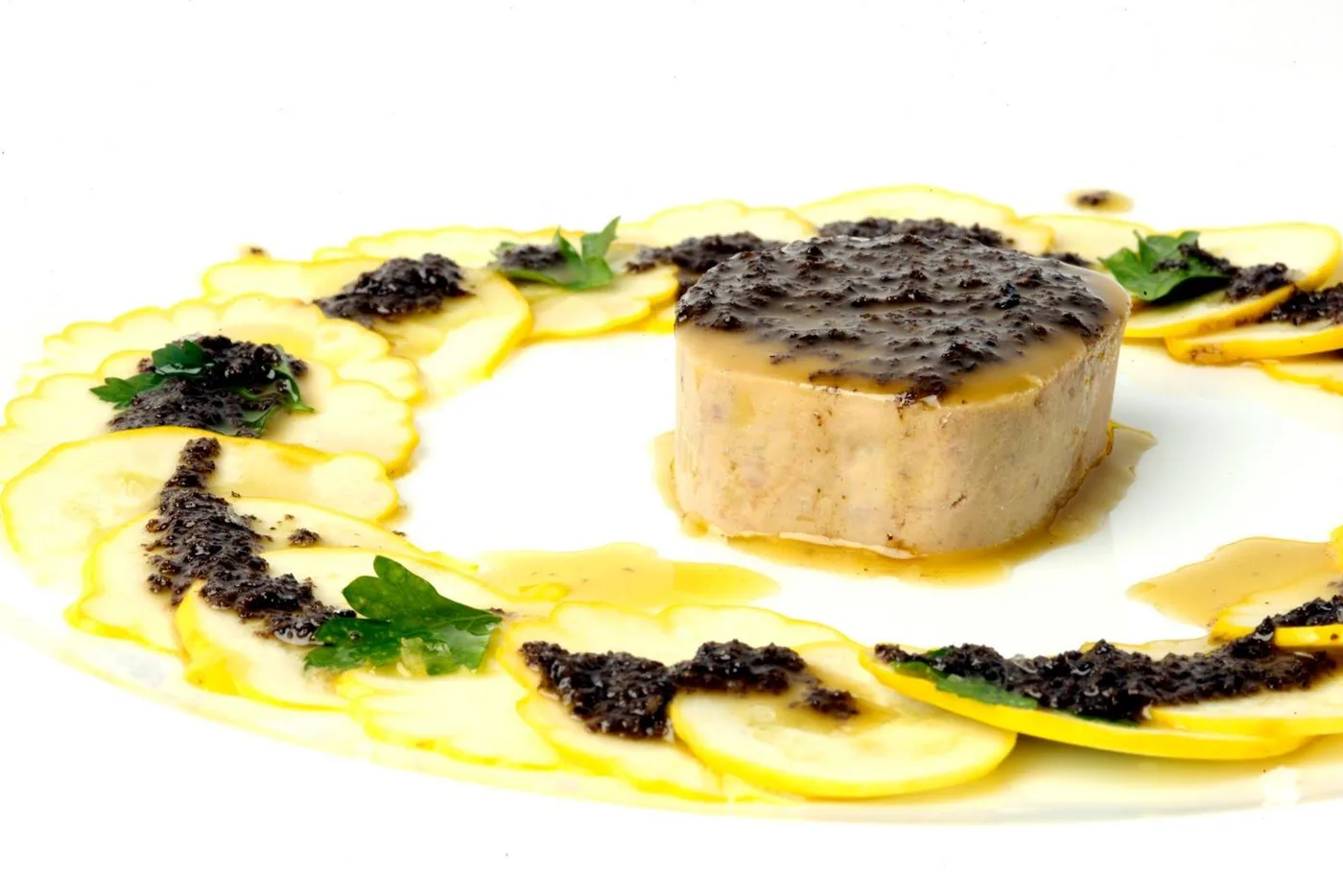
We present to you a natural product, made from a simple recipe, giving a semi-cooked foie gras that keeps its freshness and character. It is kept in a vacuum-sealed glass jar. Prepared in the traditional way, this whole foie gras is cooked in a bain-marie, seasoned with salt, pepper and lime blossom. Its natural taste means it can be enjoyed in many different ways.
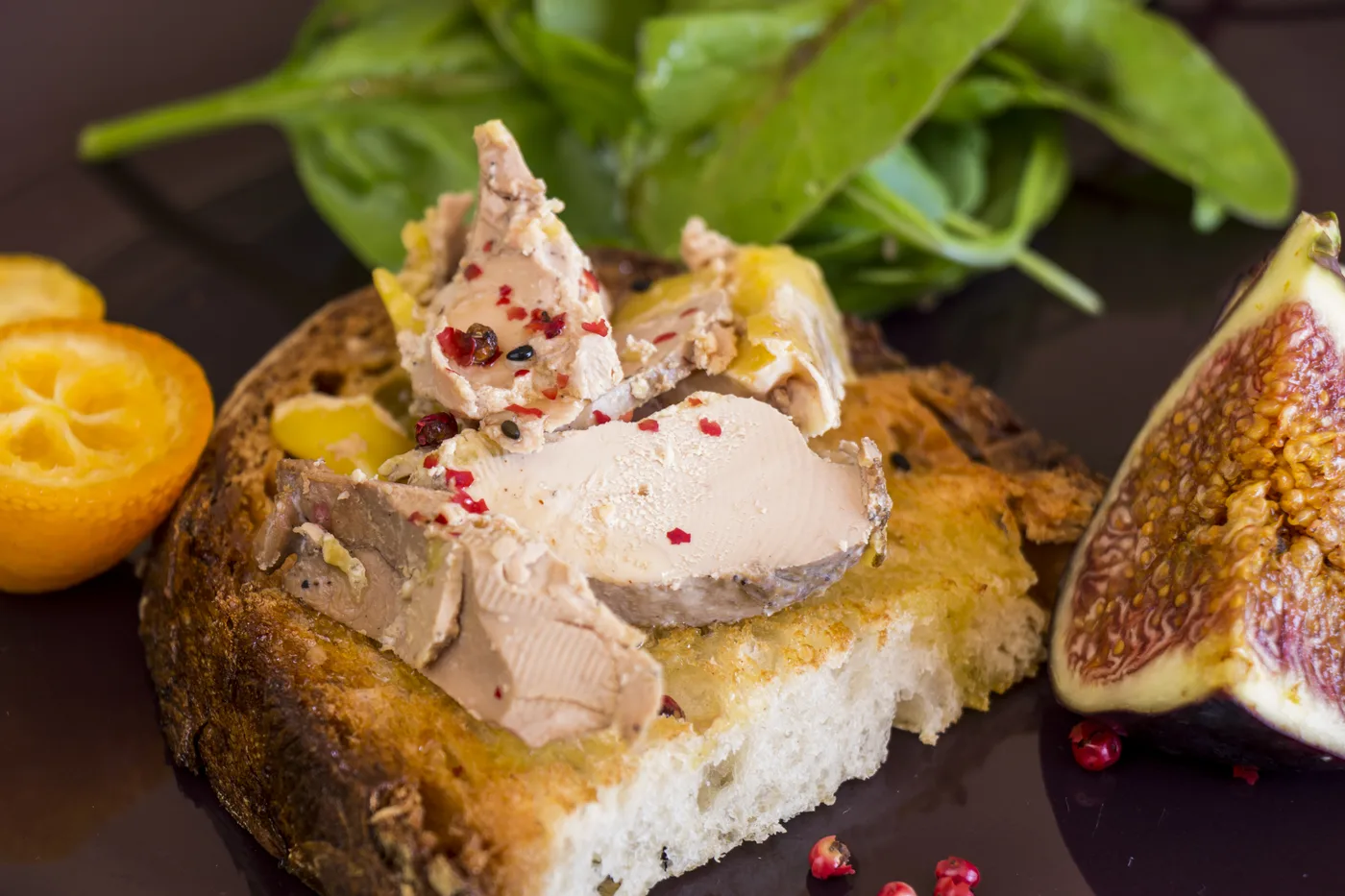
A terroir renowned for its foie gras.
The Gers is a département in the Midi-Pyrénées region, where the production of Foie Gras goes back a very long way. This speciality is part of the heritage and local culture, and of country life in the Gers, dating back to Gallo-Roman times. It is in this French countryside that the ducks are reared outdoors, by local producers and artisans. They create a foie gras of excellent quality and outstanding reputation.
Different types of foie gras
Raw foie gras
When you buy it, raw foie gras may be intended for preparing a preserve or for a hot preparation such as pan-fried foie gras.
Fresh foie gras
Fresh foie gras is generally cooked in a bain-marie and presented in a porcelain terrine or as a ballotine. Foie gras cooked in a cloth (torchon) also falls into this category.
Storage: in the refrigerator, between one and three weeks depending on the preservation method.
Semi-cooked foie gras (mi-cuit)
Semi-cooked foie gras is a pasteurised semi-preserve (cooked to the core between 70 and 85°C) which is generally presented in terrines, jars or tins. This preparation is very popular, as it allows the freshness and aromas of the liver to be preserved.
Storage: chilled, between 3 weeks and 6 months depending on the cooking time and duration.
Tinned foie gras
Tinned foie gras is sterilised at 102°. It keeps for several years.
This is the most traditional preparation, and different names can be distinguished:
- Whole foie gras: made up of one or more whole liver lobes moulded together
- Block of foie gras: reconstituted foie gras, 100% foie gras
Although these preparations are made exclusively from foie gras, they are not of the same quality, nor the same price. Whole foie gras sits at the very top of the hierarchy, and always comes from very good quality foie gras.
Parfaits are made up of a mixture of at least 75% foie gras blended with poultry livers. Pâtés, medallions, galantines and liver mousses contain a minimum proportion of 50% foie gras.
Good to know
You can also discover the duck magret sausage with foie gras, made by Patrick Duler, this culinary gem is surprising! This 50% foie gras, 50% magret pairing is a real triumph, to be enjoyed as an aperitif or with a lovely salad as a starter, this product will certainly surprise your guests.
Enjoy your tasting,