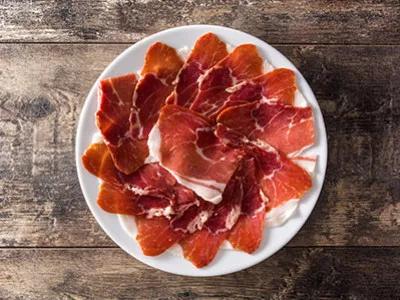
Ham, and how good it is!
The place of ham in various diets.
Gluten-free diets are essential for people with coeliac disease or those sensitive to gluten. Fortunately, ham is naturally gluten-free. However,…
5 min read· By Rémi Ledu
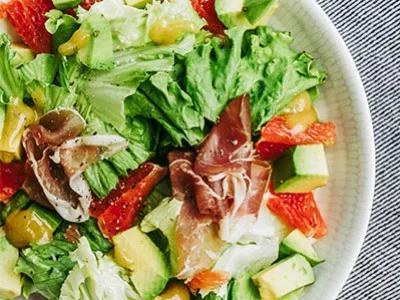
The place of ham in different types of diets:
Ham in gluten-free diets:
Gluten-free diets are essential for people with coeliac disease or those sensitive to gluten. Fortunately, ham is naturally gluten-free. However, it's crucial to check the labels, as some processed hams may contain additives or preservatives derived from gluten!
Low-sodium diets and ham:
Sodium is something to keep an eye on, especially for people with high blood pressure or other cardiovascular concerns. Traditional ham is often high in sodium due to the curing process. For those following a low-sodium diet, we recommend choosing ham options that are low in salt or nitrite-free, which can offer lower sodium levels.
Ham and low-fat diets:
Low-fat diets are followed for a variety of reasons, including weight management and heart health. Lean ham, such as chicken or turkey ham, can be an excellent option, offering a similar flavour with less saturated fat. Choose thin slices to keep your calorie intake in check.
High-protein diets and ham:
For those following a high-protein diet, such as fans of the ketogenic or paleo diet, ham is a convenient source of protein. It provides a significant amount of protein needed for muscle building and satiety. Be sure to choose top-quality ham without unnecessary additives to make the most of its nutritional benefits.
Ham in vegetarian diets:
Although ham isn't compatible with strict vegetarian diets, there are vegetarian alternatives to ham, made from plant-based proteins. These alternatives can offer a satisfying option for those wishing to cut down on their meat consumption without sacrificing the flavour and texture of traditional ham.
Ham and low-calorie diets:
Low-calorie diets require strict management of calorie intake. Ham can be incorporated into these diets by choosing lean varieties and controlling portion sizes. Turkey or chicken ham, for example, can be a low-calorie option whilst still providing essential nutrients.
Diabetic diets and ham:
For people with diabetes, it is important to choose foods that help maintain stable blood sugar levels. Ham, being low in carbohydrates, can be a good option. However, be wary of processed hams, which may contain hidden sugars. Opt for natural, unprocessed varieties.
Vegan diets and ham alternatives:
Vegan diets exclude all animal-derived products. For vegans, there are plant-based alternatives to ham that can offer a similar texture and flavour without using meat. These alternatives are often made from soya, seitan or peas.
Ham and Mediterranean diets:
The Mediterranean diet, recognised for its health benefits, includes lean meats in moderation. Ham can be enjoyed within this diet, favouring less processed options that are low in sodium. Cured ham, such as Parma ham, can be an excellent addition when eaten in moderation.
Lactose-free diets and ham:
Ham is naturally lactose-free, which makes it an ideal option for those following a lactose-free diet. However, it is important to check that the ham has not been treated with products containing lactose, especially in cooked or flavoured hams.
Keto diets and ham:
The keto diet is a high-fat, low-carbohydrate diet. Ham, being rich in protein and low in carbohydrates, can fit perfectly into this diet. For best results, choose hams with no added sugar and low in sodium, such as nitrite-free ham.
DASH diets and ham:
The DASH diet, designed to combat hypertension, places emphasis on low-sodium foods. To incorporate ham into this diet, it is crucial to choose low-sodium varieties and to keep an eye on portions to avoid excessive salt intake.
Intermittent fasting diets and ham:
Intermittent fasting alternates between periods of fasting and eating. Ham can be an easy protein source to include during eating windows, helping to maintain satiety and support energy needs.
The Ornish diet and ham:
The Ornish diet, which focuses on a low fat intake, recommends limiting meat consumption. Ham may be enjoyed sparingly, choosing lean, unprocessed varieties to respect the principles of this diet.
Ham in low-FODMAP diets:
Low-FODMAP diets are designed to help those with digestive troubles. Ham, especially when free from additives and preservatives, can be a safe option. Choose natural products to avoid potential triggers.
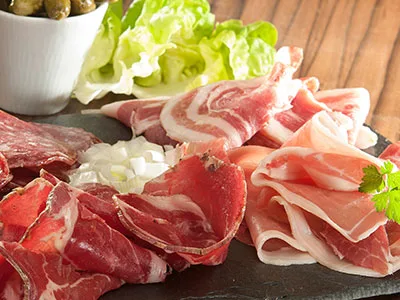
FAQ:
Is ham compatible with a gluten-free diet?
Yes, ham is naturally gluten-free, but it is essential to check labels to ensure there are no additives containing gluten.
Can one eat ham on a low-sodium diet?
It is possible to enjoy ham on a low-sodium diet by choosing low-salt varieties and keeping an eye on portions, or by choosing nitrite-free ham.
Which type of ham is best for a high-protein diet?
Lean ham, such as turkey or chicken ham, is ideal for a high-protein diet as it offers a high protein content with less fat.
Are there vegetarian alternatives to ham?
Yes, there are vegetarian alternatives to ham made from plant-based proteins, offering a tasty option without meat.
Is ham suitable for a keto diet?
Ham is perfectly suited to a keto diet due to its low carbohydrate content and high protein content.
How to include ham in a low-calorie diet?
For a low-calorie diet, choose thin slices of lean ham and watch your portions to keep your calorie intake low.
Ham, thanks to its versatility and flavour, can find its place in many different diets. Whether you follow a gluten-free, low-sodium, high-protein or even vegetarian diet, there are ways to include ham in a healthy and balanced manner. By choosing quality varieties and keeping an eye on portions, ham can be a delicious and nutritious addition to your diet.