Ham, and how good it is!
How to choose a good ham?
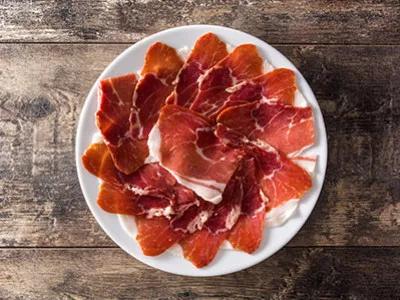
A good ham should have an attractive appearance. Its colour should be uniform, ranging from pink to red depending on the type of ham. A light marbling of fat is a good sign,…
3 min read· By Rémi Ledu
The characteristics of a good ham:
The visual appearance:
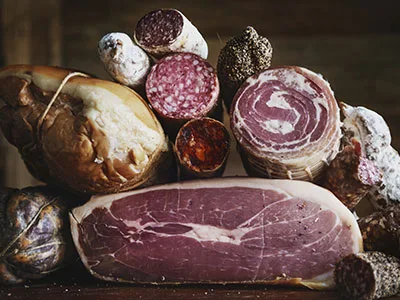
A good ham should have an appealing appearance. Its colour should be uniform, ranging from pink to red depending on the type of ham. A slight marbling of fat is a good sign, indicating a tender texture and a rich flavour.
The smell of the ham:
The smell of the ham is a key indicator of its quality. A good ham gives off a pleasant, slightly salty smell. Any strong or unpleasant odour should be avoided, as it may indicate poor storage or inferior quality.
The texture:
The texture of the ham should be firm yet tender. A ham that is too soft or gelatinous may be of poor quality. A slight resistance when cutting is a good sign.
The origin of the ham:
Parma ham:
Originating from Italy, Parma ham is renowned for its mild and subtle flavour. It is produced in the Parma region and must meet strict production criteria to obtain the Protected Designation of Origin (AOP).
Iberian ham:
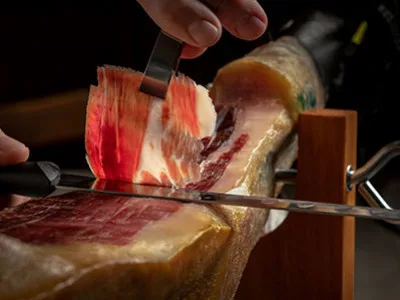
Iberian ham, produced in Spain, is famous for its intense flavour and melt-in-the-mouth texture. Bellota Iberian ham, from pigs fed on acorns, is particularly prized for its exceptional taste qualities.
Jambon de Bayonne:
Jambon de Bayonne, produced in the south-west of France, is renowned for its mildness and slightly sweet taste. It also benefits from an IGP (Protected Geographical Indication), guaranteeing its origin and traditional production method.
Quality Labels:
AOP (Protected Designation of Origin):
This label guarantees that the ham is produced, processed and prepared in a specific region, using recognised methods. AOP hams, such as Parma ham, are synonymous with high quality.
IGP (Protected Geographical Indication):
The IGP certifies that the product possesses qualities linked to its geographical origin. Jambon de Bayonne, for example, benefits from this label, ensuring its authenticity and quality.
Label Rouge:
Label Rouge is a French certification that guarantees superior quality. Label Rouge products, such as certain hams, are subject to rigorous production criteria, ensuring an exceptional taste and quality.
Our tips for selecting a quality ham:
Examining the Ingredients:
A good ham should have a simple list of ingredients. Avoid hams containing artificial additives or excess preservatives. A quality ham should be made mainly of meat, salt, and possibly sugar and spices.
Checking the Curing Method:
The curing method can influence the quality of the ham. Naturally dry-cured and aged hams are generally of better quality than those treated chemically or cooked under vacuum.
FAQ:
What are the signs of a poor-quality ham?
A poor-quality ham may have an uneven colour, a texture that is too soft or gelatinous, and an unpleasant or overly strong smell.
How should ham be stored?
Ham should be kept in the refrigerator, ideally in its original packaging. Once opened, wrap it in waxed paper or a clean, dry cloth.
What is the difference between raw ham and cooked ham?
Raw ham, such as Parma ham or Iberian ham, is air-dried and matured, whereas cooked ham is steamed or boiled, giving it a different texture and a milder flavour.
What are the nutritional benefits of ham?
Ham is a good source of protein and contains essential vitamins and minerals such as zinc, iron, and B vitamins.
Is ham safe for people following a low-sodium diet?
Some hams can be high in salt, so it is important to check the nutritional label. There are low-sodium ham options available for those who need to watch their salt intake.
How to serve ham for special occasions?
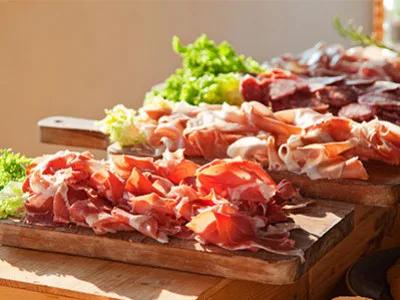
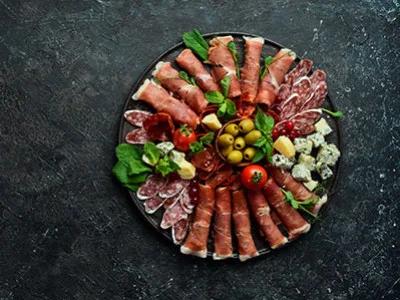
Ham can be served in thin slices, accompanied by fresh fruit, cheeses, and artisanal bread. For special occasions, opt for top-quality hams such as Iberian ham de bellota.
Choosing a good ham requires a little knowledge and discernment, but the rewards are well worth it. By taking into account the visual appearance, smell, texture, origin and quality labels, you can be sure of getting a delicious, high-quality product. Do not forget to check the ingredients and favour natural preservation methods for a better tasting experience. Enjoy your meal!