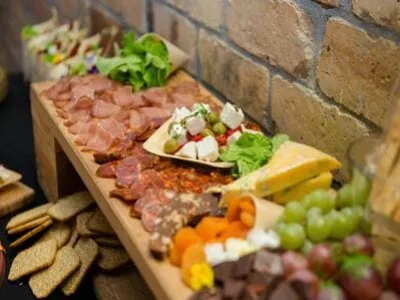
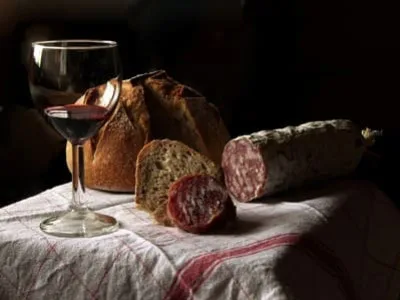
Charcuterie with friends
Charcuterie and cuisine from around the world.
French charcuterie is renowned for its diversity and refinement. Specialities such as jambon de Bayonne, saucisson sec, and terrine are absolute must-haves. The tradition…
4 min read· By Rémi Ledu
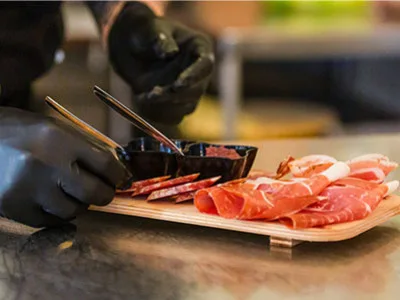
French charcuterie:
French charcuterie is renowned for its diversity and refinement. Specialities such as jambon de Bayonne, dry-cured saucisson, and terrine are absolute must-haves. The French tradition of charcuterie goes back several centuries, with precise techniques of curing, smoking and drying.
The delights of Italian charcuterie:
Italy is also famous for its charcuterie, with iconic products such as prosciutto, mortadella and salami. Each region of Italy has its own specialities, shaped by local ingredients and culinary traditions.
Spanish charcuterie: a celebration of flavour:
In Spain, charcuterie is an art celebrated throughout the country. Ibérico ham, chorizo and lomo are among the best known. The quality of the meat and the traditional drying techniques give Spanish charcuterie its unique, rich flavours.
The richness of German charcuterie:
Germany offers a wide variety of charcuterie, ranging from wursts to Frankfurt sausages. German techniques often place emphasis on smoking and the use of spices, creating distinctive, robust flavours.
Comparing techniques and flavours:
Each country has developed its own specific techniques for charcuterie, shaped by climate, available ingredients and cultural preferences. For instance, the French favour open-air drying, whereas the Germans prefer smoking. These methods have a strong influence on the textures and flavours of the products.
A few international recipes made with charcuterie:
Charcuterie can be used in a multitude of international dishes. Here are a few recipes to inspire your meals.
Italian charcuterie salad:
A fresh and flavourful salad combining prosciutto, salami, olives, cherry tomatoes, fresh basil, and a balsamic vinaigrette.
Spanish charcuterie tapas:
Put together an assortment of tapas with Iberian ham, chorizo, pimientos de Padrón, and tomato bread. Perfect for a convivial aperitif.
Traditional German dishes:
Try a Frankfurter sausage served with home-made sauerkraut and boiled potatoes. A comforting classic of German cuisine.
The history of charcuterie around the world:
The history of charcuterie is rich and varied, with each country having its own origins and evolutions.
The origins of French charcuterie:
The earliest mentions of charcuterie in France date back to the Middle Ages. Methods of preserving meat were essential for surviving harsh winters.
The evolution of Italian charcuterie:
Italy has perfected the art of charcuterie over the centuries, developing products specific to each region, often influenced by local farming practices.
Spanish traditions:
In Spain, charcuterie is deeply rooted in culture, with festivals and celebrations dedicated to products such as Iberian ham.
Charcuterie in Germany:
The Germans have a long tradition of charcuterie, particularly sausages, which are eaten at every meal of the day, from Weißwurst at breakfast to Bratwurst at dinner.
The global impact of charcuterie:
Charcuterie has influenced cuisines the world over. Products such as Spanish chorizo and Italian prosciutto have become common ingredients in many international recipes.
Modern innovations and trends:
Today, charcuterie continues to evolve with modern techniques and trends such as vegetarian charcuterie and nitrite-free products. Artisans are exploring new flavours and preparation methods to meet the demands of contemporary consumers.
Charcuterie and health:
It's important to enjoy charcuterie in moderation given its salt and fat content. However, healthier options are available, such as products reduced in salt and free from artificial additives.
Our tips for making your own charcuterie:
Making your own charcuterie at home can be a rewarding experience. Here are a few tips:
- Use high-quality ingredients.
- Follow curing and smoking techniques carefully.
- Experiment with different spices and herbs to create unique flavours.
FAQ
What's the difference between jambon de Bayonne and Italian prosciutto?
Jambon de Bayonne is dry-salted and air-dried in south-west France, whilst Italian prosciutto is also dry-salted but dried under specific conditions that vary depending on the region of Italy.
What are the most popular types of charcuterie in Spain?
The most popular are Iberian ham, chorizo, and lomo. Each has its own preparation methods and distinctive flavours.
How do you make a good homemade sauerkraut to go with German sausages?
Homemade sauerkraut requires finely sliced cabbage, salt, and time to ferment. You can add juniper berries and caraway seeds for extra flavour.
Are there vegetarian charcuterie options?
Yes, more and more vegetarian charcuterie products are appearing on the market, using plant-based proteins as a base and spices to recreate traditional flavours.
What's the best wine to pair with charcuterie?
A light red wine such as a Beaujolais or a Pinot Noir is often recommended, but a dry rosé can also pair wonderfully with many types of charcuterie.
Can you make homemade charcuterie without a smoker?
Yes, it is possible to make homemade charcuterie without a smoker by using air-drying techniques and carefully controlling temperature and humidity conditions.
Charcuterie is a fascinating culinary art that has travelled through the ages and across borders. Whether you're fond of French ham, Italian salami, Spanish chorizo or German sausage, each type of charcuterie offers a unique taste experience. Try international recipes, discover the history behind each speciality, and why not try your hand at making your own charcuterie at home?