Charcuterie with friends
The finest regional charcuterie in France!
Charcuterie in France dates back to Roman times, when preserving meat through salting, smoking and drying was already common practice. Over the centuries, each region developed its own…
4 min read· By Rémi Ledu
Charcuterie: A French heritage.
The origins and history of charcuterie in France:
In France, charcuterie dates back to Roman times, when preserving meat through salting, smoking and drying was already common practice. Over the centuries, each region developed its own techniques and recipes, shaped by the climate, geography and local customs.
The different types of charcuterie:
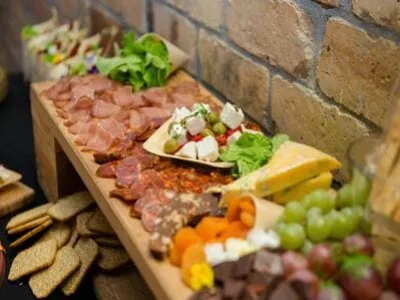
In France, charcuterie encompasses a wide variety of products: saucissons, jambons, pâtés, terrines, rillettes, and many more. Each type of charcuterie offers a unique taste experience, often closely tied to its terroir of origin.
Regional charcuterie specialities:
Saucisson de Lyon:
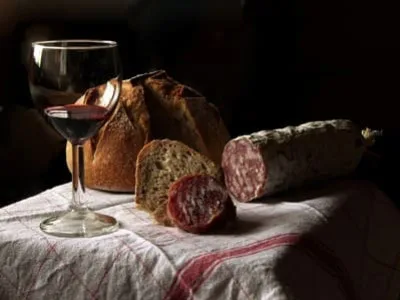
Saucisson de Lyon is a真truly essential charcuterie. Made from minced pork and spices, this saucisson is dry-cured for several weeks to develop its distinctive flavour. It is best enjoyed in thin slices, alongside good bread and a glass of wine.
Jambon de Bayonne:
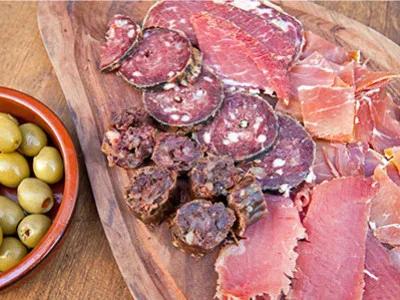
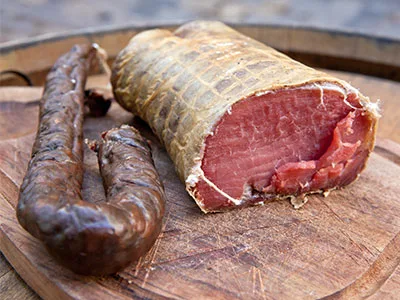
The jambon de Bayonne is another regional pride, hailing from the Basque Country. This raw ham, air-dried and aged for several months, is prized for its delicate texture and slightly sweet taste. Its production follows strict standards to guarantee its exceptional quality.
Andouille de Vire:
Hailing from Normandy, andouille de Vire is a smoked saucisson made from pig intestines. Its smoky flavour and unique texture make it a specialty cherished by charcuterie lovers.
Saucisse de Morteau:
Morteau sausage, from the Jura, is a charcuterie smoked over softwood. Its firm flesh and powerful flavour make it an ideal charcuterie for cooked dishes, such as potée or stuffed cabbage.
Pâté de campagne:
Pâté de campagne, or country pâté, found throughout France, is a rustic preparation made from pork, spices and sometimes liver. Each region has its own recipe, reflecting its local culinary traditions.
Charcuterie and French gastronomy:
Food and wine pairings:
To fully appreciate the regional charcuterie, it is essential to pair it with the right wines. For example, a light red wine goes perfectly with saucisson de Lyon, while a dry white wine brings out the flavour of jambon de Bayonne.
Charcuterie in French cuisine:
Regional charcuterie is not only enjoyed as an aperitif. It is also used in many traditional dishes, such as quiche lorraine, cassoulet, or choucroute.
Charcuterie: A living heritage.
Preserving traditions:
Local producers play a crucial role in preserving charcuterie traditions. Their efforts ensure that these unique skills are passed on to future generations.
Innovation and modernity:
While tradition is essential, innovation is not neglected. Some producers explore new flavours and techniques to appeal to an ever more discerning clientele.
The challenges of artisanal charcuterie:
Regulations and standards:
Artisanal charcuterie producers often have to navigate a complex regulatory landscape to guarantee the safety and quality of their products.
Competition and the market:
Faced with industrial competition, artisan charcutiers rely on quality and authenticity to stand out and build customer loyalty.
The economic and cultural impact of regional charcuterie:
Contribution to the local economy:
Artisanal charcuterie contributes significantly to the local economy, supporting farmers, breeders and craftsmen.
The influence on tourism:
Charcuterie specialities also attract numerous tourists, eager to discover the authentic flavours of the French regions.
FAQ:
What makes saucisson de Lyon so special?
Saucisson de Lyon stands out for its fine texture and balanced flavour, the result of using quality meat and traditional drying techniques.
How is jambon de Bayonne produced?
Jambon de Bayonne is made from pigs reared in the Basque Country. After salting and drying, it is aged for several months under specific climatic conditions.
What are the particularities of andouille de Vire?
Andouille de Vire is made from pig intestines, slowly smoked over beechwood, which gives it its unique flavour and characteristic texture.
Why is artisanal charcuterie important?
Artisanal charcuterie preserves centuries-old culinary traditions, supports the local economy and offers products of superior quality.
How do you choose good charcuterie?
To choose good charcuterie, favour products with quality labels, natural ingredients and clear traceability.
What are the best wines to pair with charcuterie?
Light red wines, fruity rosés and dry white wines are ideal for accompanying most charcuterie, depending on the specific flavours of each product.
French regional charcuterie is a culinary treasure, reflecting the richness and diversity of the country's gastronomic heritage. From Lyon to Bayonne, each region offers unique specialities, prepared with passion and know-how by dedicated craftsmen. By savouring these delights, we honour and perpetuate a living tradition, essential to France's cultural and economic identity.