Ham, and how good it is!
Ham in culture and traditions.
The history of ham goes back thousands of years, to the earliest techniques for preserving meats through salting and drying. Ancient civilisations such as the Romans have…
5 min read· By Rémi Ledu
The history of ham: From its origins to today:
The history of ham goes back thousands of years, to the earliest techniques for preserving meats through salting and drying. Ancient civilisations such as the Romans perfected the art of charcuterie, making ham a highly prized delicacy. Today, ham comes in a variety of forms across the world, with each culture bringing its own preparation methods and associated traditions.
Ham in village festivals:
In many villages across Europe, ham plays a central role in local celebrations. In France, for example, "ham festivals" celebrate this delicacy with tastings, competitions and preparation demonstrations. These events strengthen community bonds and showcase traditional know-how.
Ham and religious festivals:
Ham also holds an important place in certain religious celebrations. In Christian tradition, it is often associated with Easter, symbolising the end of Lent and a return to richer fare. This symbolism can be found in many countries, where the Easter meal often includes ham as the main dish.
Ham in local customs:
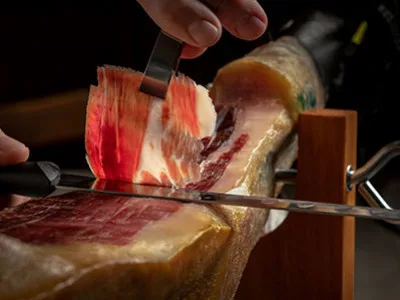
Some regions have unique customs linked to ham. In Spain, Iberian ham, or "jamón ibérico", is a prestigious product, often given as a gift on special occasions. Local customs include the meticulous carving of the ham, an art that takes years of practice to master.
The symbolism and meanings of ham:
Ham carries various symbolic meanings depending on the culture. It may represent prosperity, generosity, or conviviality. In certain traditions, offering ham is a gesture of respect and hospitality, reflecting the importance of this food in social relationships.
Ham in French cuisine:
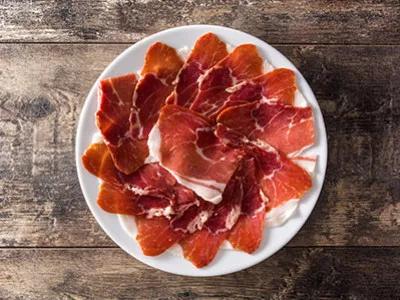
In France, ham is a pillar of traditional cooking. From jambon de Bayonne to jambon de Paris, each region offers its own specialities. These products are often enjoyed simply, to fully appreciate their refined flavour, but are also worked into more elaborate dishes.
Ham in Spain: an age-old tradition:
Spain is renowned for its hams, particularly "jamón serrano" and "jamón ibérico". These products are crafted using age-old methods, involving a long period of drying and maturing. They are often enjoyed during celebrations, accompanied by wine and bread.
Ham and food festivals:
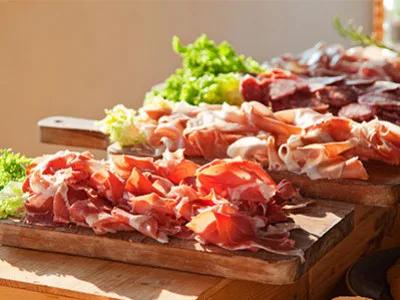
Food festivals celebrating ham are held all over the world. These events allow producers to showcase their finest products and give visitors the chance to discover the many facets of this food. They often include tastings, carving competitions and culinary workshops.
Ham in popular culture:
In popular culture, ham is sometimes used in a humorous or symbolic way. It appears in films, television programmes and even comic strips, reflecting its ever-present place in the collective imagination. Its portrayal varies, but it is often associated with moments of conviviality and sharing.
Ham and health: myths and realities:
Ham is sometimes the subject of misconceptions regarding its effects on health. Whilst it is rich in protein and vitamins, its salt and saturated fat content can be a concern if consumed in excess. This article debunks some of these misconceptions and offers advice for a balanced diet.
The art of preparing ham:
Preparing ham is a true art form. From choosing the meat to the ageing process, every step is crucial to achieving a quality product. Techniques vary from region to region and tradition to tradition, but they all share a deep respect for artisanal methods and know-how passed down from generation to generation.
Ham in modern cooking:
In modern cooking, ham is used in creative and innovative ways. Contemporary chefs are exploring new ways to prepare it and incorporate it into refined dishes. From molecular cuisine to unexpected pairings, ham continues to inspire and surprise.
Ham and ecology:
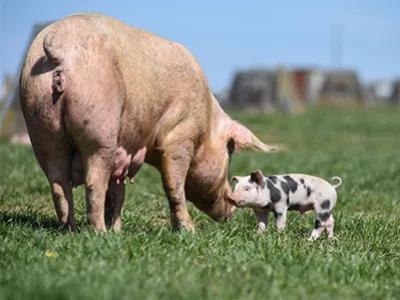
The production of ham raises ecological questions, particularly regarding intensive farming and sustainability. This article looks at initiatives aimed at making ham production more environmentally friendly, such as free-range farming and waste reduction techniques.
Ham and culinary innovation:
Culinary innovation keeps reinventing ham. From new preparation techniques to avant-garde gastronomic creations, ham is constantly being reinvented, attracting a new generation of curious and adventurous food lovers.
The best ham festivals around the world:
Ham festivals are a wonderful opportunity to discover this product in all its diversity. From the Pyrenees to Andalusia, via Italy and the United States, each region celebrates ham in its own way, with events that draw thousands of visitors every year.
How to choose the best ham:
Choosing a good ham can be tricky given the sheer number of varieties available. This article offers practical advice for selecting the best ham according to personal taste, budget and occasion.
The future of ham in gastronomy:
What does the future hold for ham in gastronomy? As tastes and dietary concerns evolve, ham may see new trends emerge. From vegetarian alternatives to sustainable production methods, the future of ham is full of possibilities.
FAQ:
What are the main types of ham in France?
The main types of ham in France include jambon de Bayonne, jambon de Paris, and jambon d'Auvergne, each with its own distinct characteristics.
Why is ham associated with Easter?
Ham is associated with Easter because it symbolises the end of Lent and the return to a richer, more festive diet.
How is Iberian ham prepared?
The Iberian ham is prepared from pigs raised freely, fed on acorns, then dried and aged for several months, sometimes even years.
What role does ham play in village festivals?
In village festivals, ham is often at the heart of the celebrations, symbolising conviviality and tradition.
What are the health benefits of ham?
Ham is rich in proteins and vitamins, but should be enjoyed in moderation due to its salt and saturated fat content.
How do you choose a good ham?
To choose a good ham, it's important to consider its origin and method of preparation, and to favour quality artisanal products.
Ham, deeply rooted in cultures and traditions the world over, continues to fascinate and inspire. Whether through village festivals, religious celebrations, or culinary innovations, it remains a symbol of conviviality and craftsmanship. Its place in our kitchens and in our hearts bears witness to its unrivalled cultural and gastronomic importance.