Ham, and how good it is!
The environmental impact of ham production.
Ham production, like that of any animal-derived product, generates greenhouse gas emissions. However, several studies show that production techniques…
3 min read· By Rémi Ledu
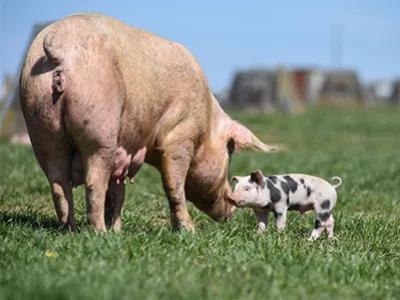
The environmental impact of ham production:
The carbon footprint of ham production:
Ham production, like that of any animal-derived product, generates greenhouse gas emissions. However, several studies show that modern production techniques can reduce this footprint. For example, the use of renewable energy sources in production facilities and improved energy efficiency can considerably lower CO2 emissions.
Water consumption in ham production:
Water is a crucial element in ham production, whether for feeding the pigs or for processing. Producers are putting in place more efficient water management systems, such as reusing water in production processes and implementing water purification technologies.
Waste management in ham production:
Waste management is another important aspect of the environmental footprint of ham production. Organic waste, such as slaughter by-products, can be turned into biogas or compost, thereby reducing waste sent to landfill and providing a renewable energy source or a natural fertiliser.
Initiatives for more sustainable ham production:
Regenerative agriculture and ham production:
Regenerative agriculture aims to improve soil health and increase biodiversity. By adopting these practices, ham producers can reduce their environmental impact while improving the quality of their products. These techniques include crop rotation, the use of cover crops and reducing the use of pesticides and chemical fertilisers.
Sustainable feed for pigs:
Pig feed plays a crucial role in the environmental impact of ham production. Producers are exploring more sustainable feed options, such as alternative proteins and food industry by-products, to reduce dependence on intensive crops such as soya.
Reducing the use of antibiotics:
The excessive use of antibiotics in pig farming has environmental and health implications. Initiatives are underway to reduce antibiotic use through better management practices and improved living conditions for the animals, which also helps to reduce antibiotic resistance.
Technological innovations in ham production:
Technological advances play an essential role in reducing the environmental footprint of ham production. For example, smart sensors and automated management systems make it possible to monitor and optimise production processes, thereby reducing energy and water consumption.
The future of sustainable ham production:
Certifications and eco-labels:
Certifications and eco-labels play an important role in promoting sustainable practices in ham production. They allow consumers to make informed choices and encourage producers to adopt environmentally friendly practices.
International collaboration for sustainable production:
Ham production is a global sector, and international initiatives are essential for sharing best practices and harmonising sustainability standards. Organisations such as the FAO and industry alliances are working together to promote sustainable practices around the world.
Raising consumer awareness and education:
Informing consumers about the environmental impact of ham production and the sustainable choices they can make is crucial for the transition to more sustainable production. Awareness campaigns and informative labels can help guide consumers towards more environmentally friendly products.
FAQ:
What are the main environmental impacts of ham production?
The main impacts include greenhouse gas emissions, water consumption and waste management.
How can ham producers reduce their carbon footprint?
They can use renewable energy sources, improve energy efficiency and adopt regenerative farming practices.
What are the sustainable alternatives to traditional pig feed?
Alternatives include alternative proteins and by-products from the food industry.
Why is reducing antibiotic use important in ham production?
Reducing antibiotic use is important to avoid antibiotic resistance and minimise environmental impact.
What are the benefits of eco-certifications and labels for ham production?
They encourage sustainable practices and allow consumers to make informed choices.
How can consumers support sustainable ham production?
By choosing certified products and learning about sustainable practices.
Ham production, although traditionally associated with a high environmental impact, is evolving towards more sustainable practices thanks to technological innovations, regenerative farming practices and better resource management. Current and future initiatives promise to make this production more environmentally friendly, whilst maintaining the quality and culinary tradition that make ham such a beloved product. By supporting these efforts, producers and consumers can together contribute to a more sustainable future for ham production.