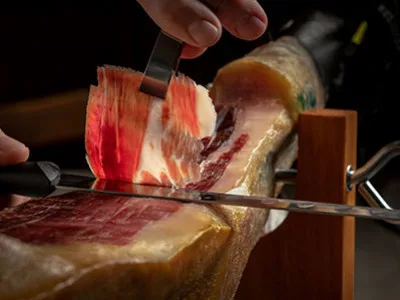
Ham, and how good it is!
Comparing artisanal and industrial ham!
Artisanal ham is a product made using traditional, time-honoured methods. It is generally produced in small quantities, with great care taken at every stage…
4 min read· By Rémi Ledu
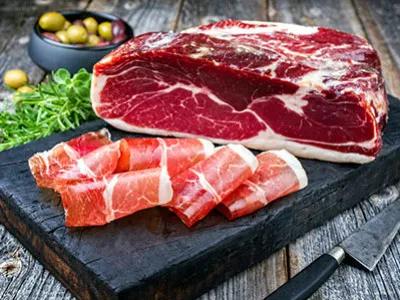
Artisanal ham:
What is artisanal ham?
Artisanal ham is a product made using traditional, time-honoured methods. It is generally produced in small quantities, with great care taken at every stage of its production.
The production process for artisanal ham:
The making of artisanal ham begins with the selection of the pigs, often reared in a more natural and environmentally friendly way. The meat is then salted by hand and left to dry for several months, or even several years, under carefully controlled conditions.
Quality and ingredients:
The ingredients used in producing artisanal ham are generally simple and natural: salt, pepper, and sometimes aromatic herbs. No chemical preservatives or additives are added, which guarantees superior quality and an authentic taste.
Taste and texture:
The taste of artisanal ham is often described as rich and complex, with subtle notes that develop over time. The texture is generally firmer and less uniform than that of industrial ham, offering a truly unique tasting experience.
Industrial ham
What is industrial ham?
Industrial ham is produced on a large scale in factories using modern, automated techniques. This type of ham is designed to meet mass demand and is often more affordable than artisanal ham.
The production process for industrial ham:
The production of industrial ham often involves injecting saline solutions into the meat to speed up the salting process. The meat is then cooked quickly in industrial ovens and vacuum-packed to extend its shelf life.
Quality and ingredients:
Industrial ham often contains preservatives, additives, and artificial flavourings to enhance its taste and improve its shelf life. These ingredients can vary, but frequently include sodium nitrite, sugar, and other preserving agents.
Taste and texture:
The taste of industrial ham is generally less pronounced and more uniform than that of artisanal ham. The texture is often more tender, but it can lack the complexity and depth of flavour found in artisanal products.
Comparing artisanal and industrial ham:
Taste:
Artisanal ham offers a rich and varied palette of flavours, thanks to its long, natural maturing process. Industrial ham, on the other hand, while tasty, can have a more standardised and less distinctive taste.
Quality:
The quality of artisanal ham is often superior, with meticulous attention paid to every stage of its production. Industrial hams, while convenient and affordable, may contain additives and preservatives that affect their overall quality.
Production process:
The artisanal process is long and painstaking, showcasing traditional and natural techniques. In contrast, the industrial process is optimised for speed and efficiency, with increased use of modern technology.
Advantages and disadvantages of both types of ham:
Artisanal ham:
Advantages:
- Rich, complex flavour
- Natural, high-quality ingredients
- Environmentally friendly production methods
Disadvantages:
- Higher cost
- Limited availability
- Long production time
Industrial ham:
Advantages:
- Affordable price
- Wide availability
- Longer shelf life
Disadvantages:
- Use of additives and preservatives
- Less distinctive flavour and texture
- Less environmentally friendly production process
How to choose between artisanal and industrial ham?
The choice between artisanal and industrial ham depends on your personal priorities. If you value quality and authentic taste, artisanal ham is the best option. However, if you're after an affordable, easily available product, industrial ham may suit your needs better.
FAQ:
Is artisanal ham better for your health than industrial ham?
Artisanal ham is often considered healthier as it contains fewer preservatives and chemical additives. However, it is always important to consume charcuterie in moderation.
Why is artisanal ham more expensive than industrial ham?
Artisanal ham costs more due to its lengthy and meticulous production process, and the use of high-quality ingredients. Small-scale production and the absence of additives also play a part in the higher cost.
Can you find artisanal ham in supermarkets?
Yes, some supermarkets do offer artisanal ham, but it is more often found in delicatessens, local markets, and directly from producers.
Is industrial ham less flavoursome than artisanal ham?
Industrial ham can be less complex in flavour compared to artisanal ham, but it remains tasty and suits many consumers.
What is the shelf life of artisanal ham compared to industrial ham?
Industrial ham, thanks to its preservatives, generally has a longer shelf life than artisanal ham, which should be eaten more quickly after purchase.
Is artisanal ham more environmentally friendly than industrial ham?
Artisanal ham can be more environmentally friendly, particularly if the pigs are raised sustainably and the production methods respect the environment.
The comparison between artisanal ham and industrial ham highlights significant differences in terms of taste, quality and production process. While artisanal ham offers a superior tasting experience and natural production methods, industrial ham provides a practical and economical solution. The choice between the two will depend on your personal priorities and taste preferences.